Review by Piers Beagley - Elvis Information Network
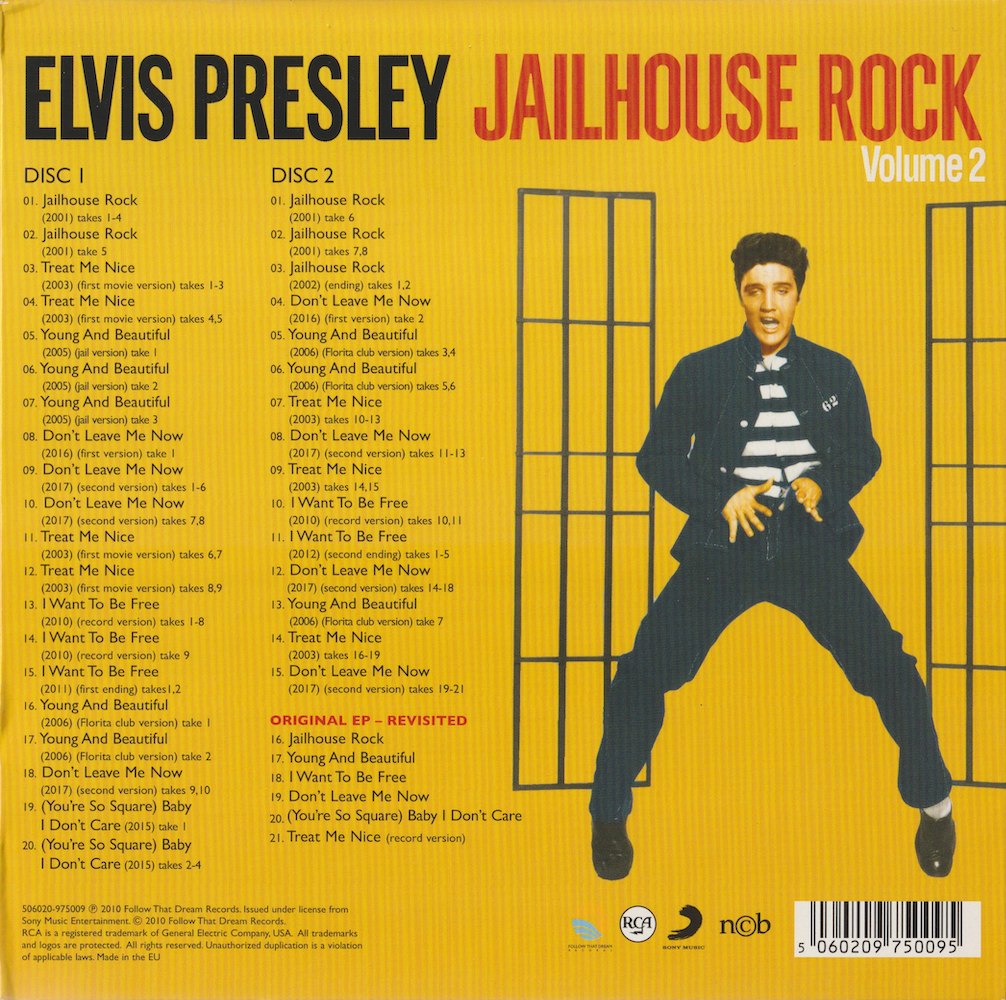
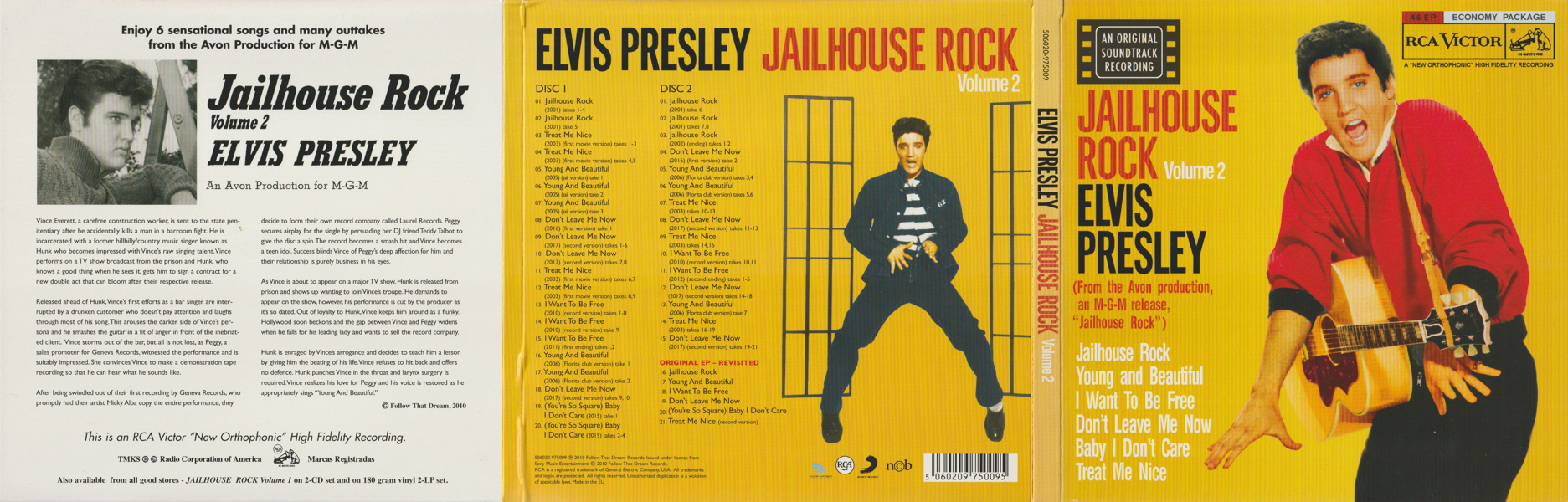
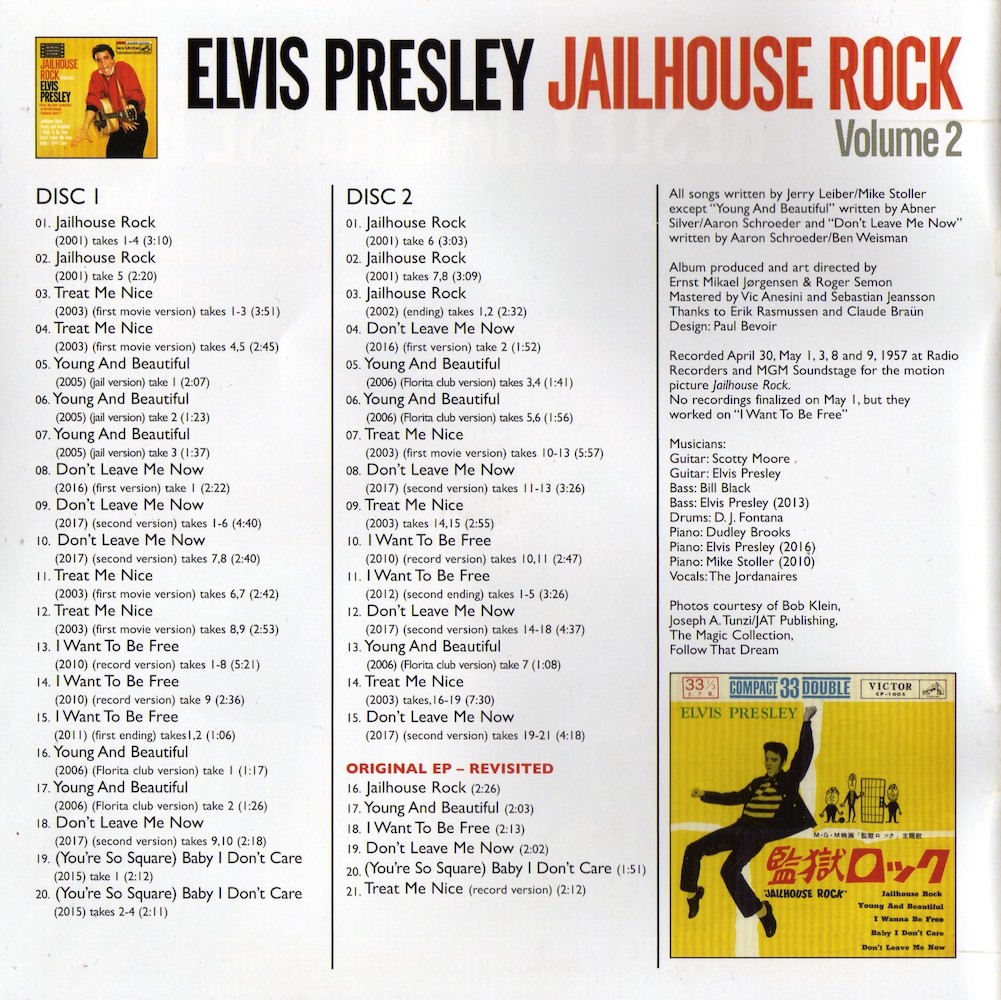
Even though Elvis only recorded six songs for Jailhouse Rock, the script provided plenty of opportunities for each song to be utilised with different arrangements. This 2-disc set complements the previous volume and includes all the missing outtakes.
The Design
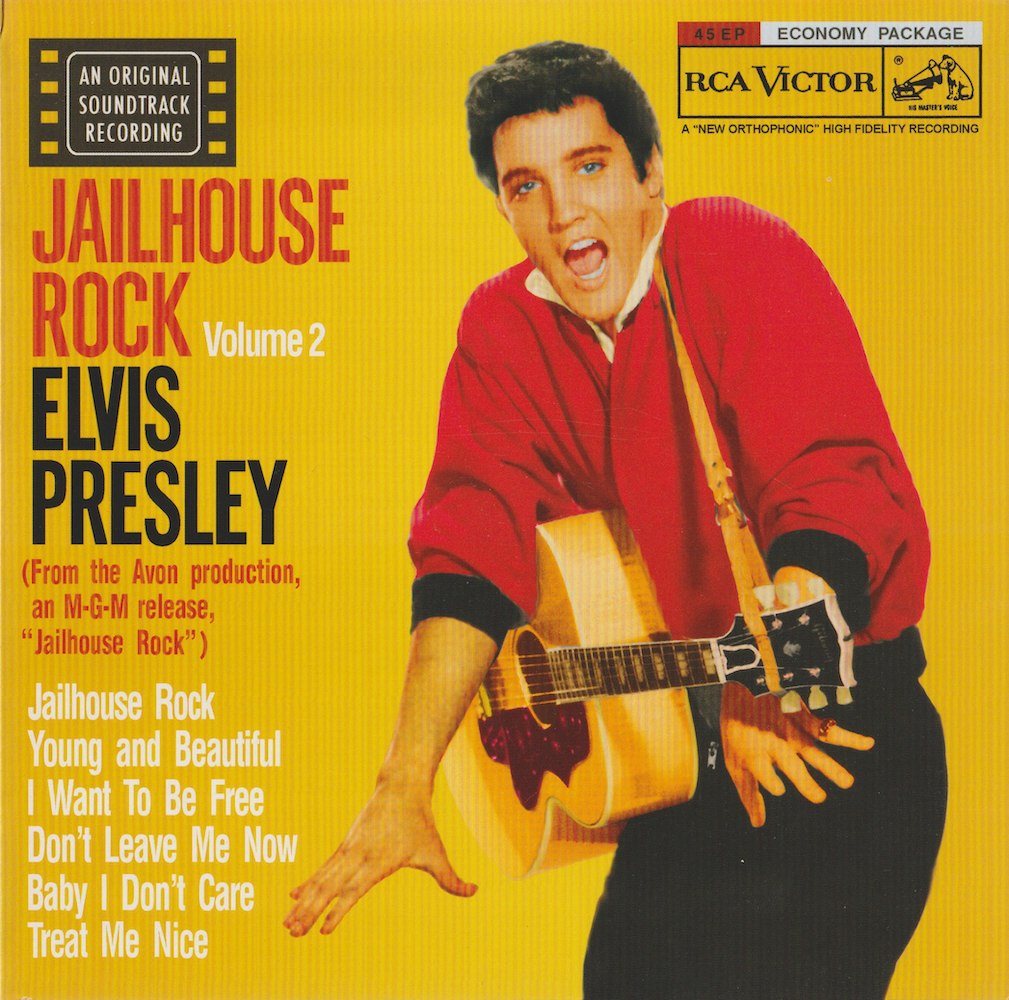
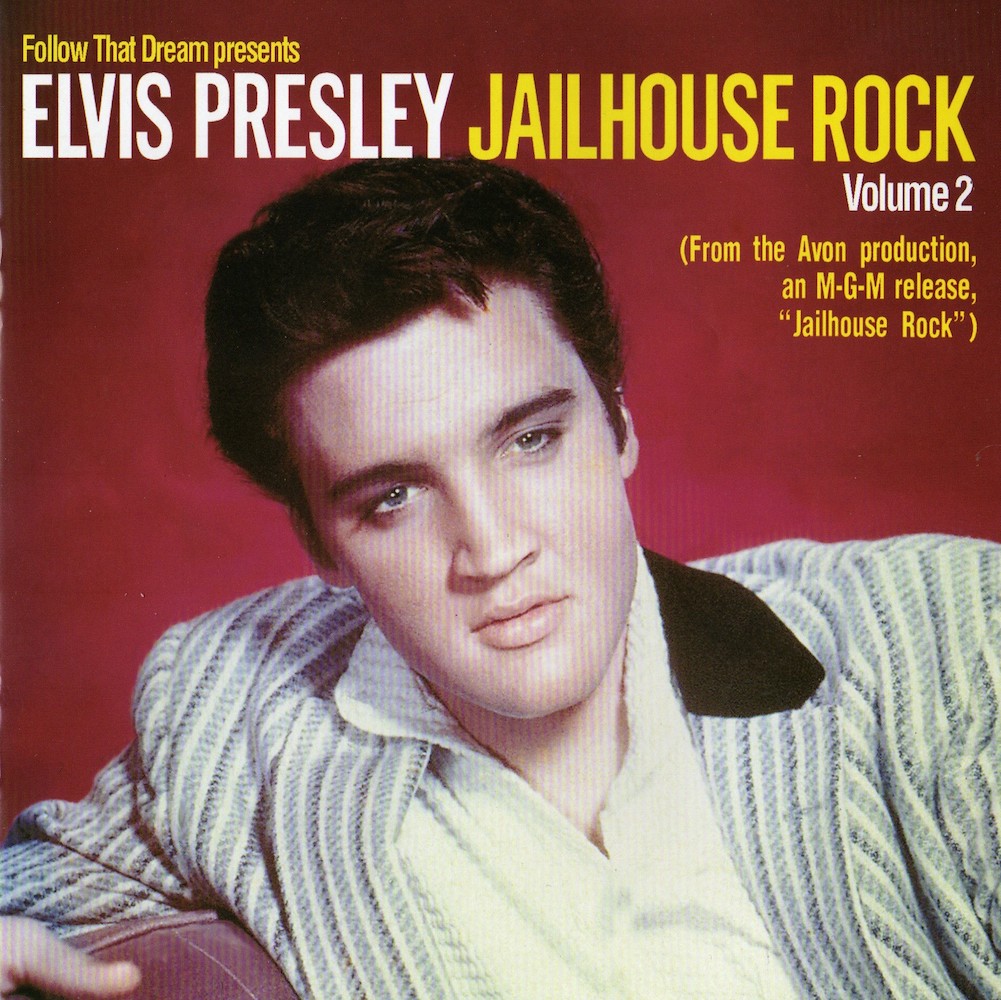
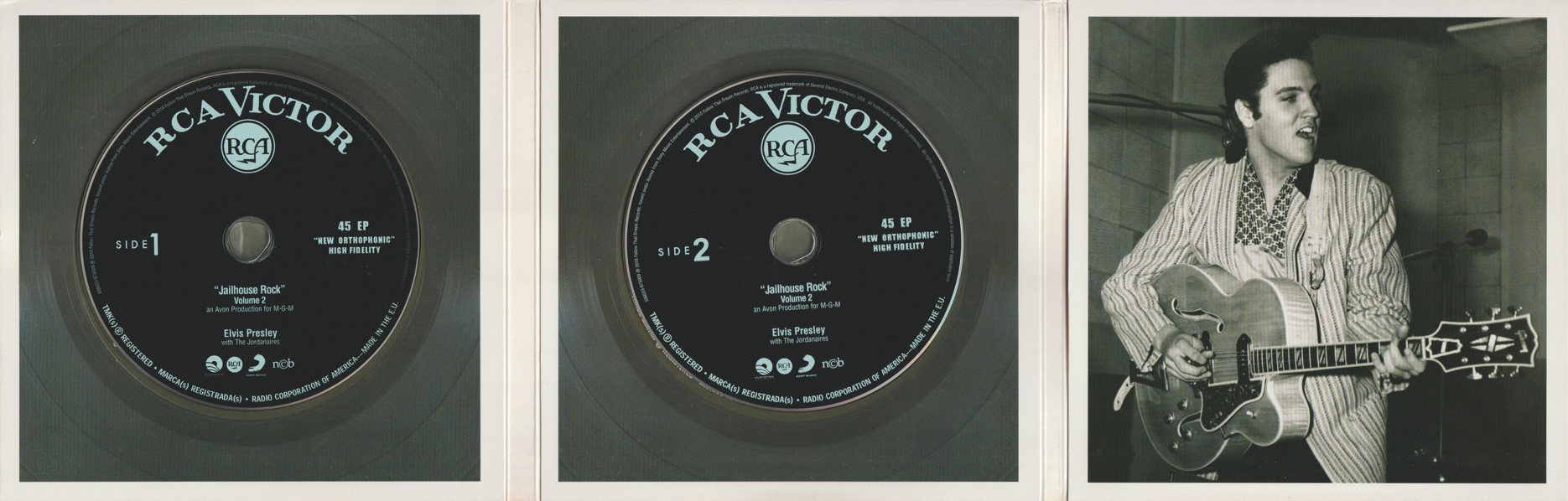
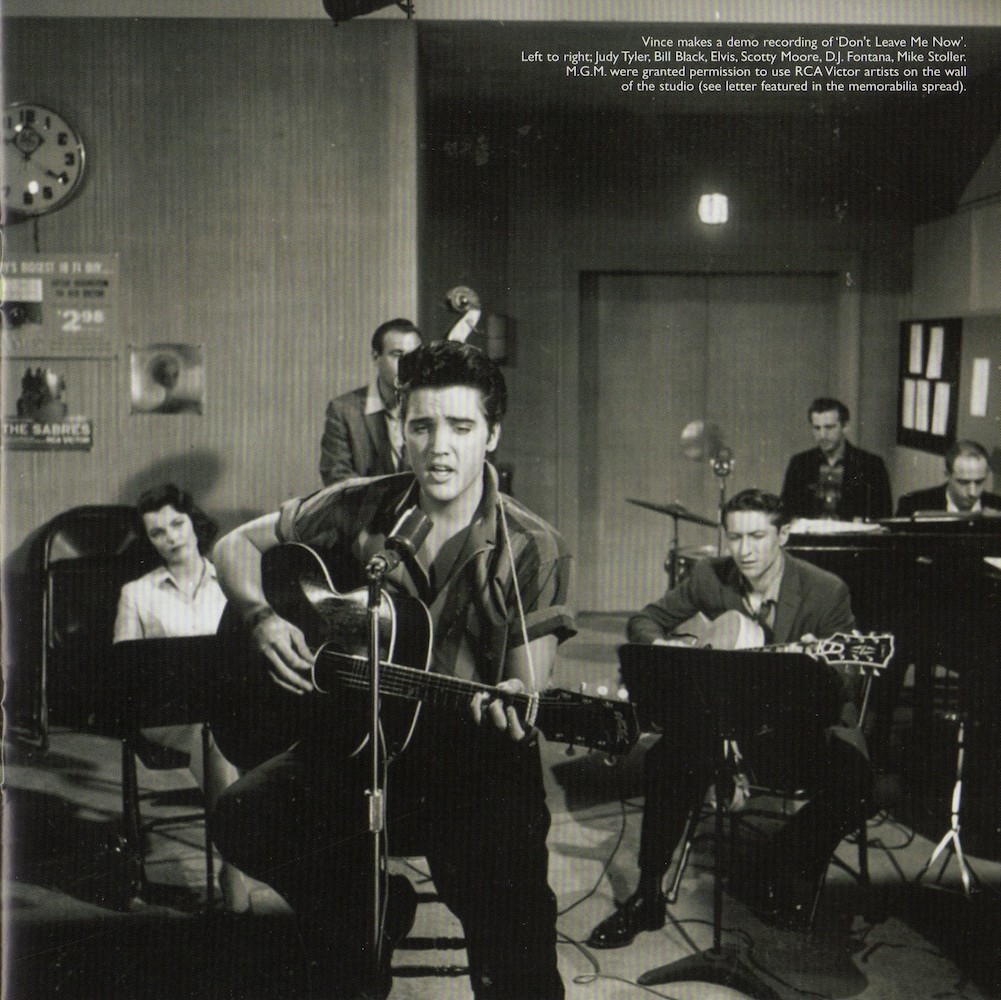
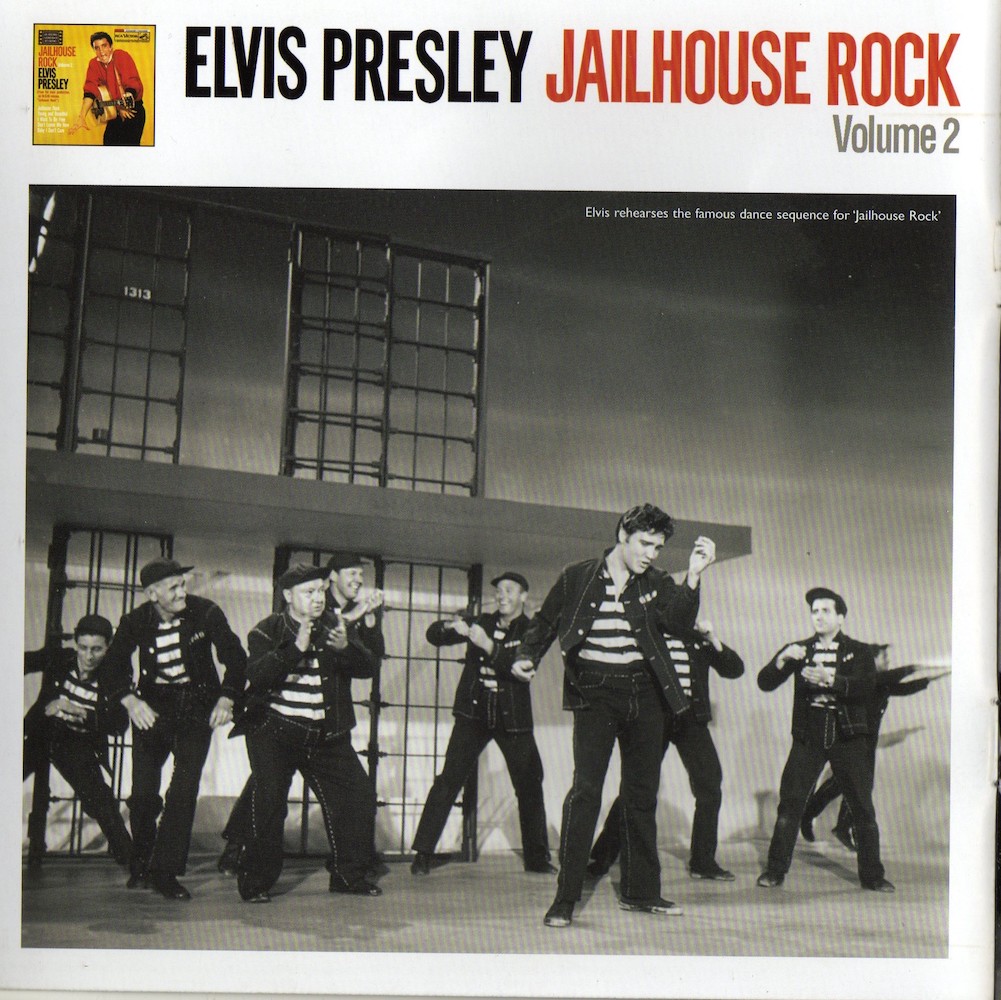
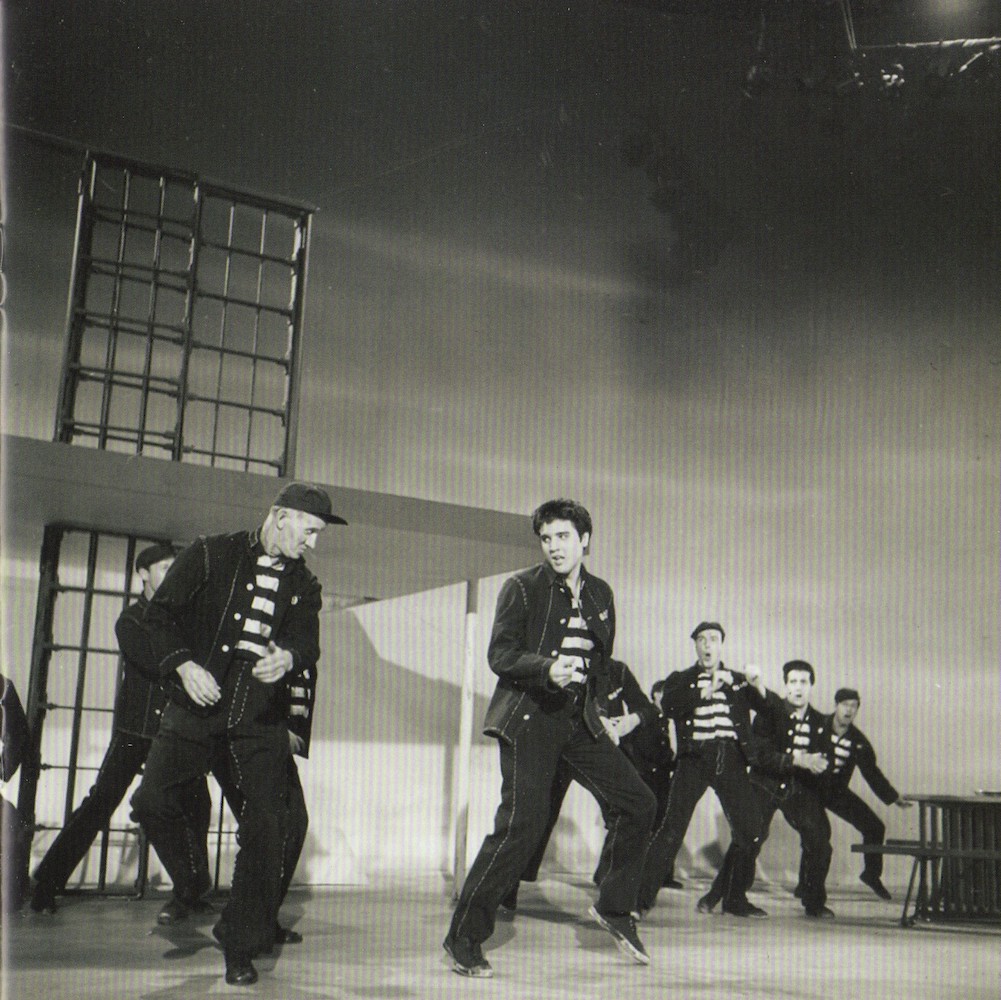
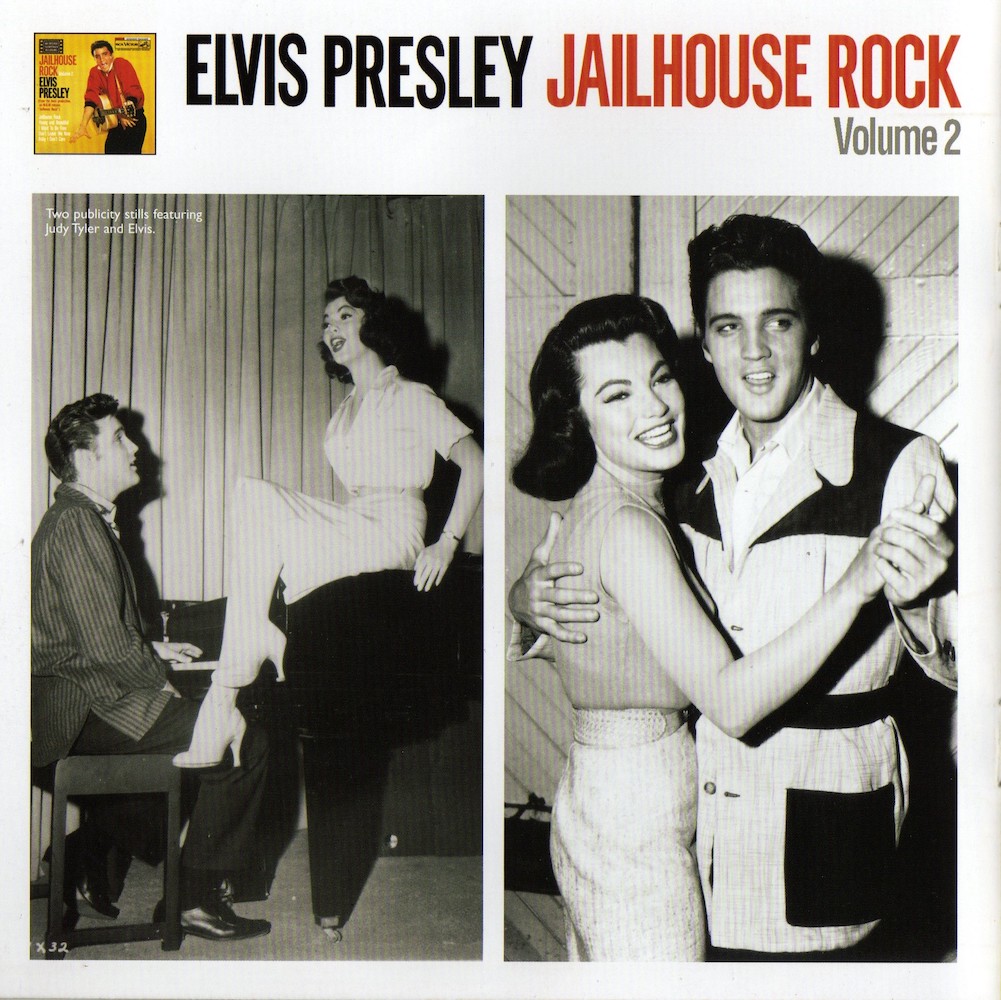
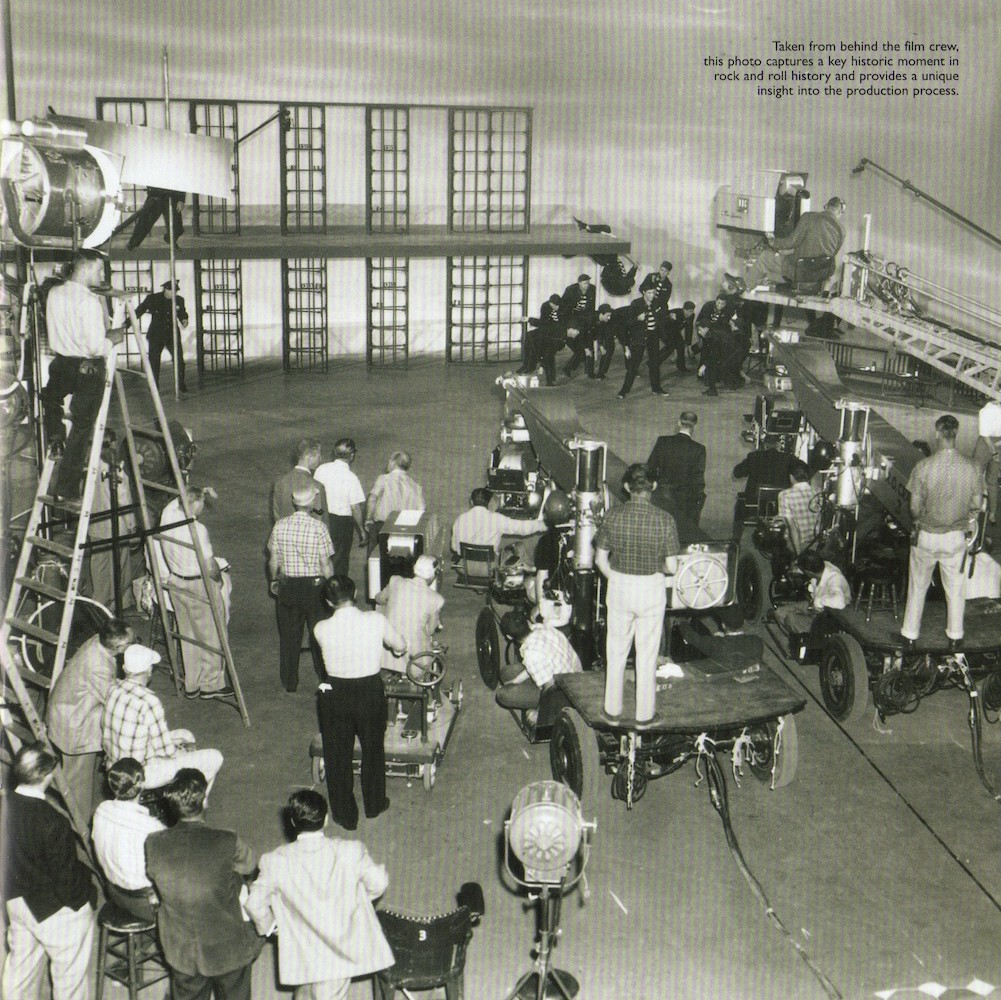
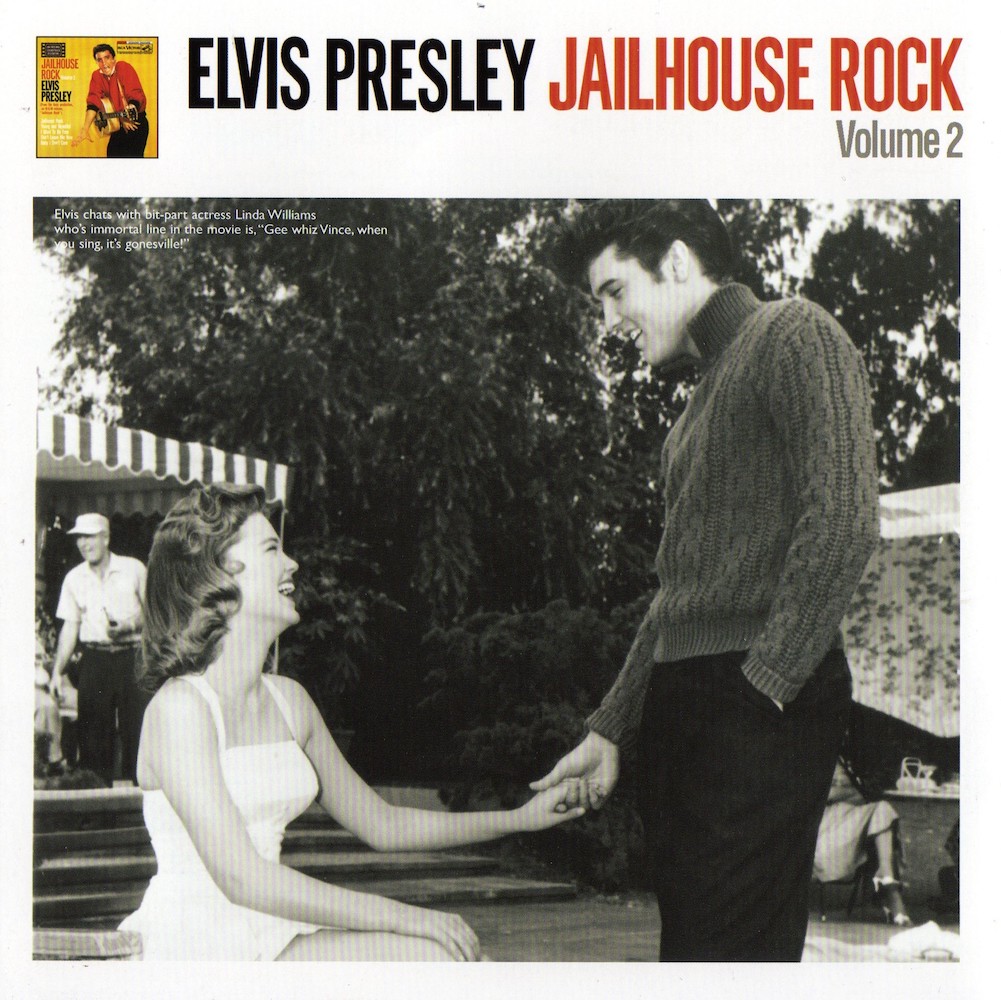
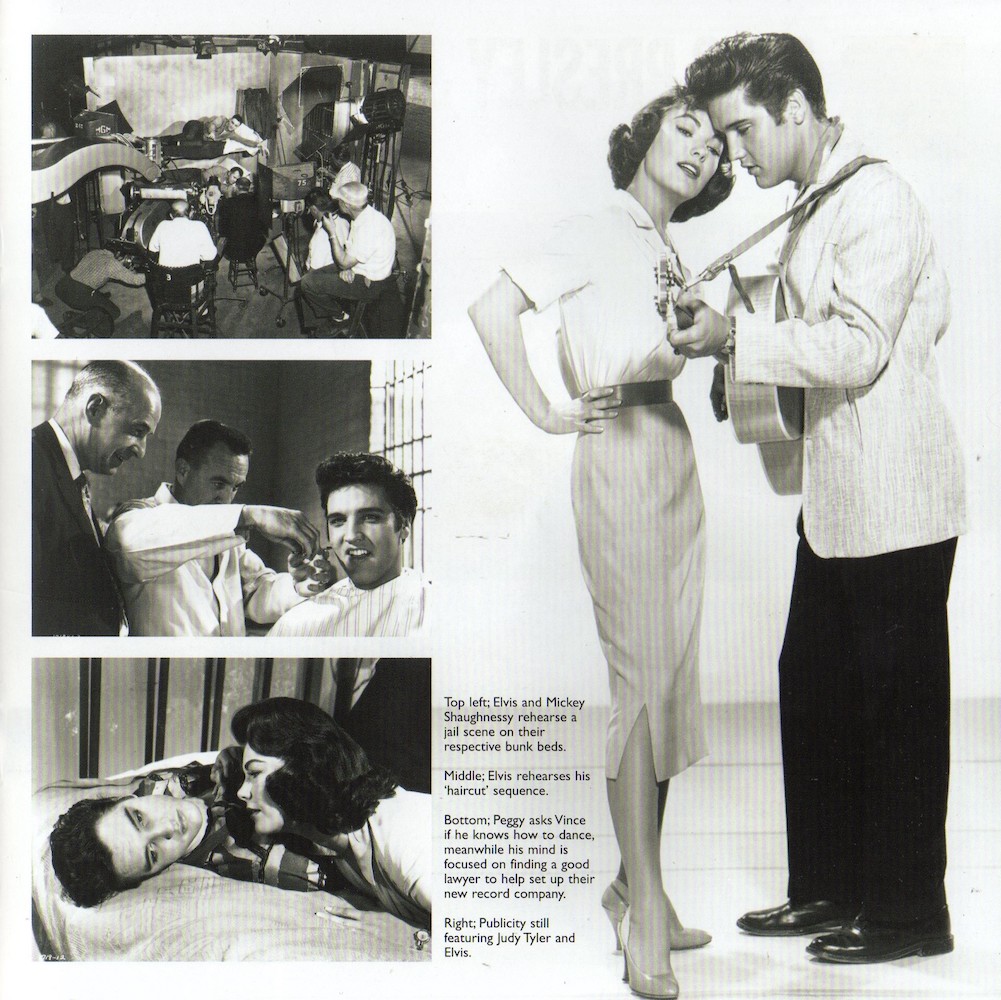
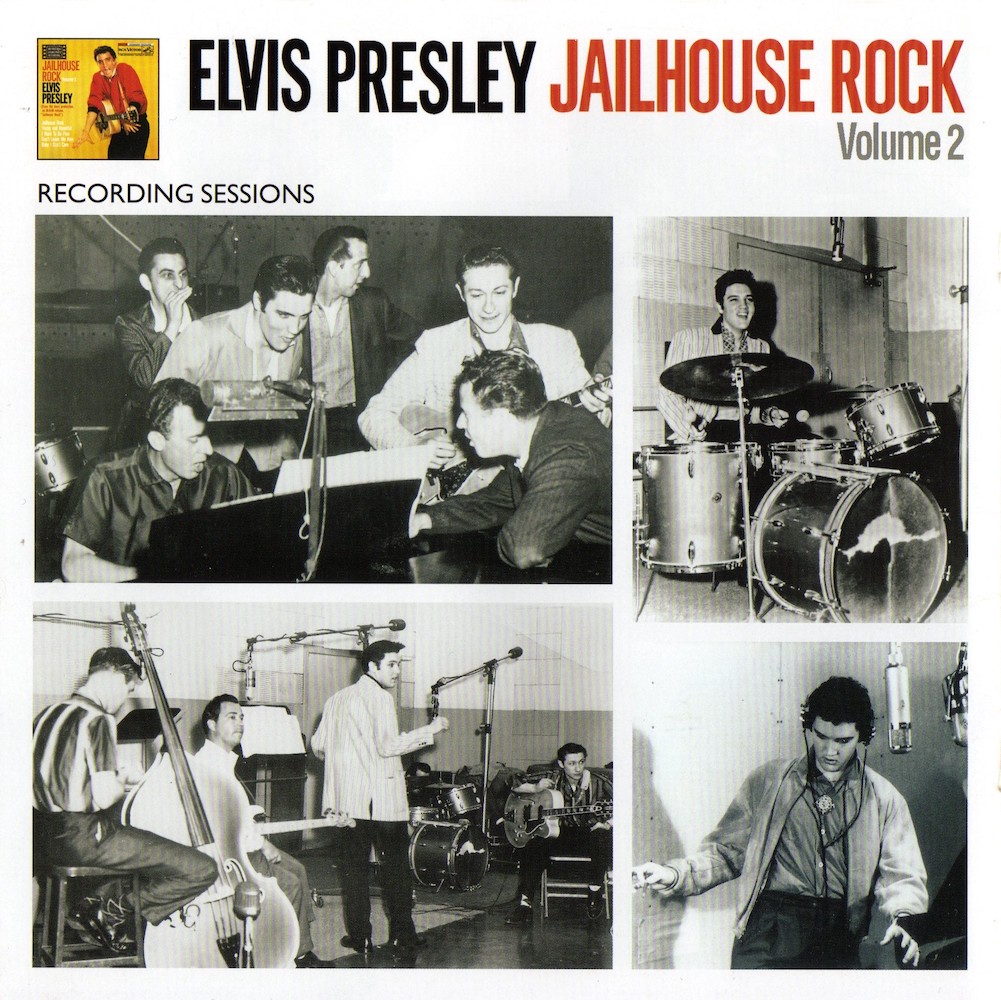
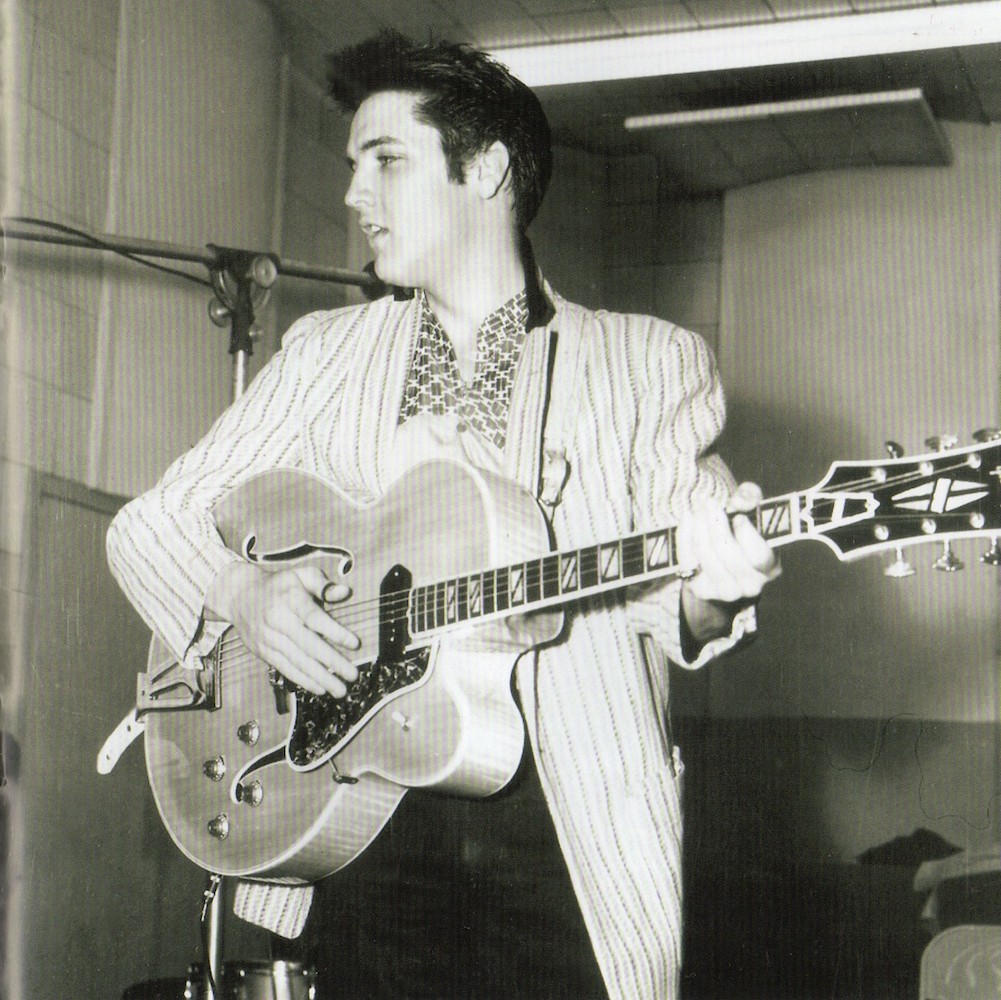
The 16-page booklet features plenty of terrific photos including a nice alternate EP cover-shot, as well as five photos from the recording session itself, plus three wonderful full-page shots of the rehearsal of the famous dance sequence.
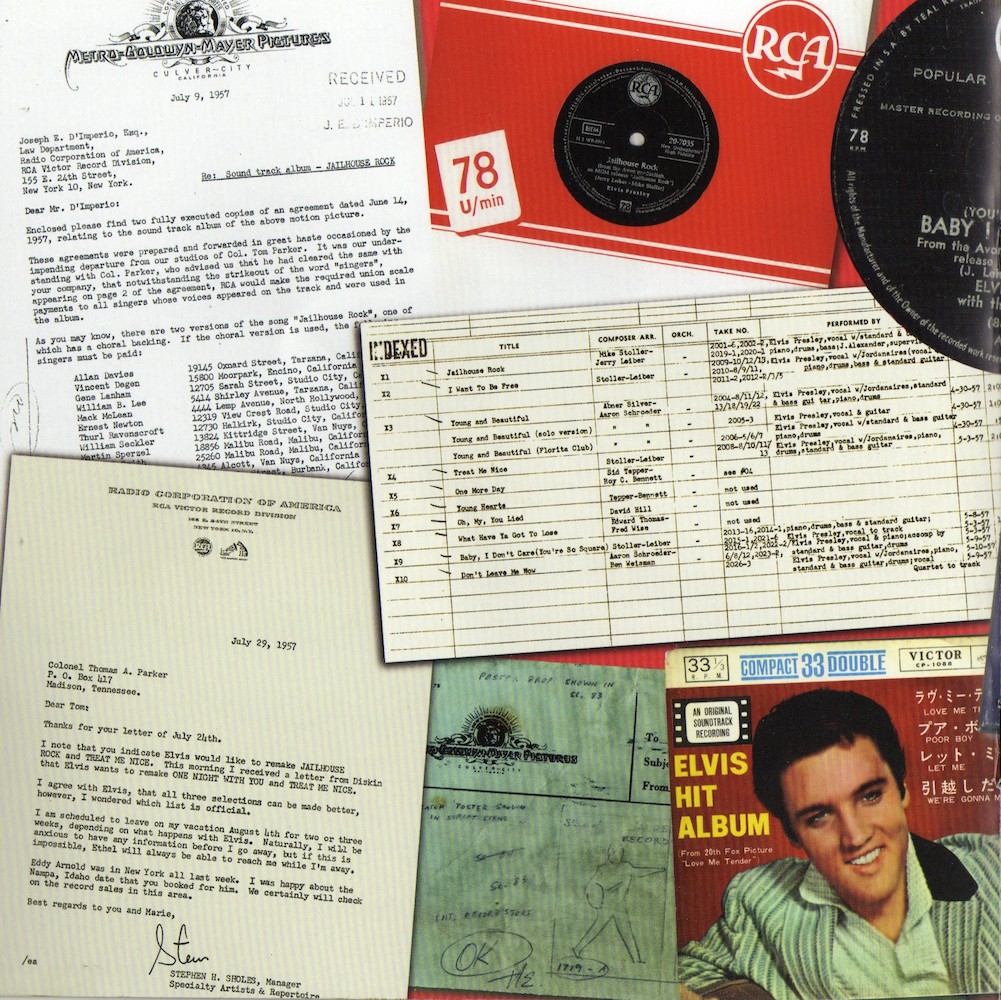
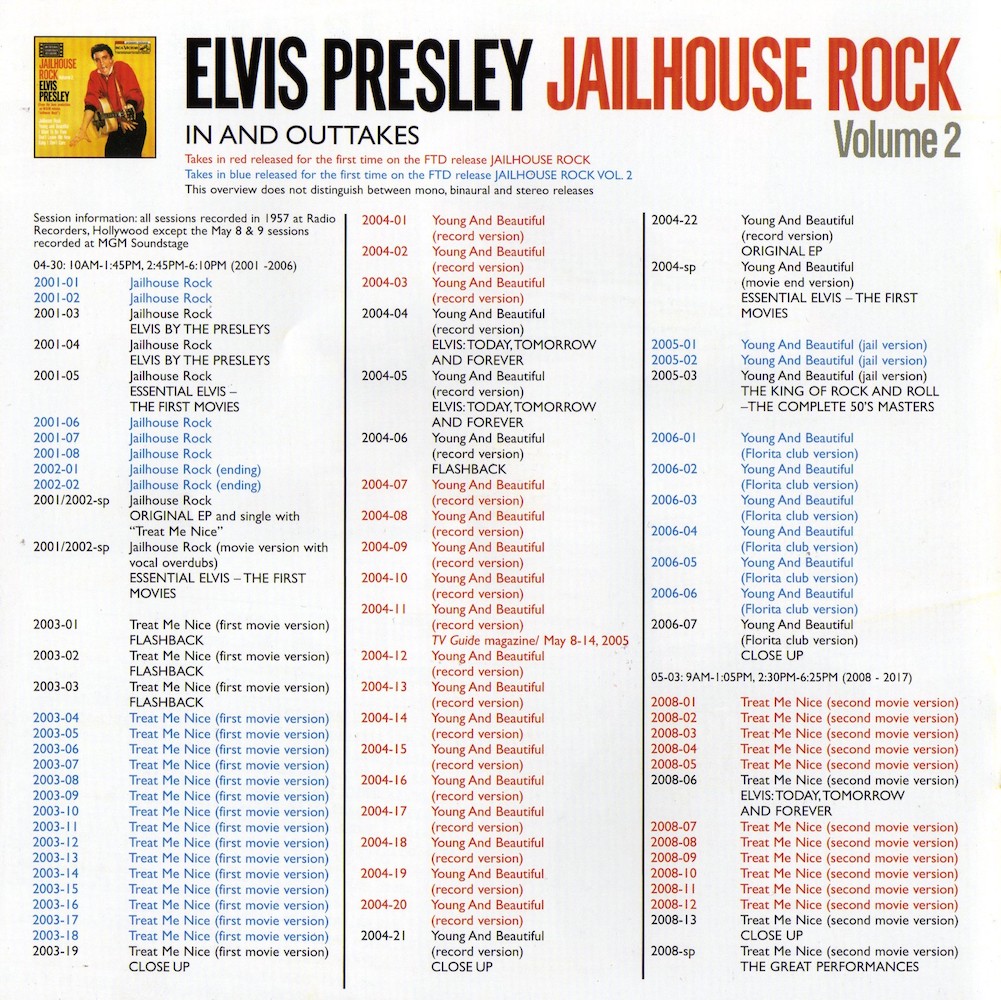
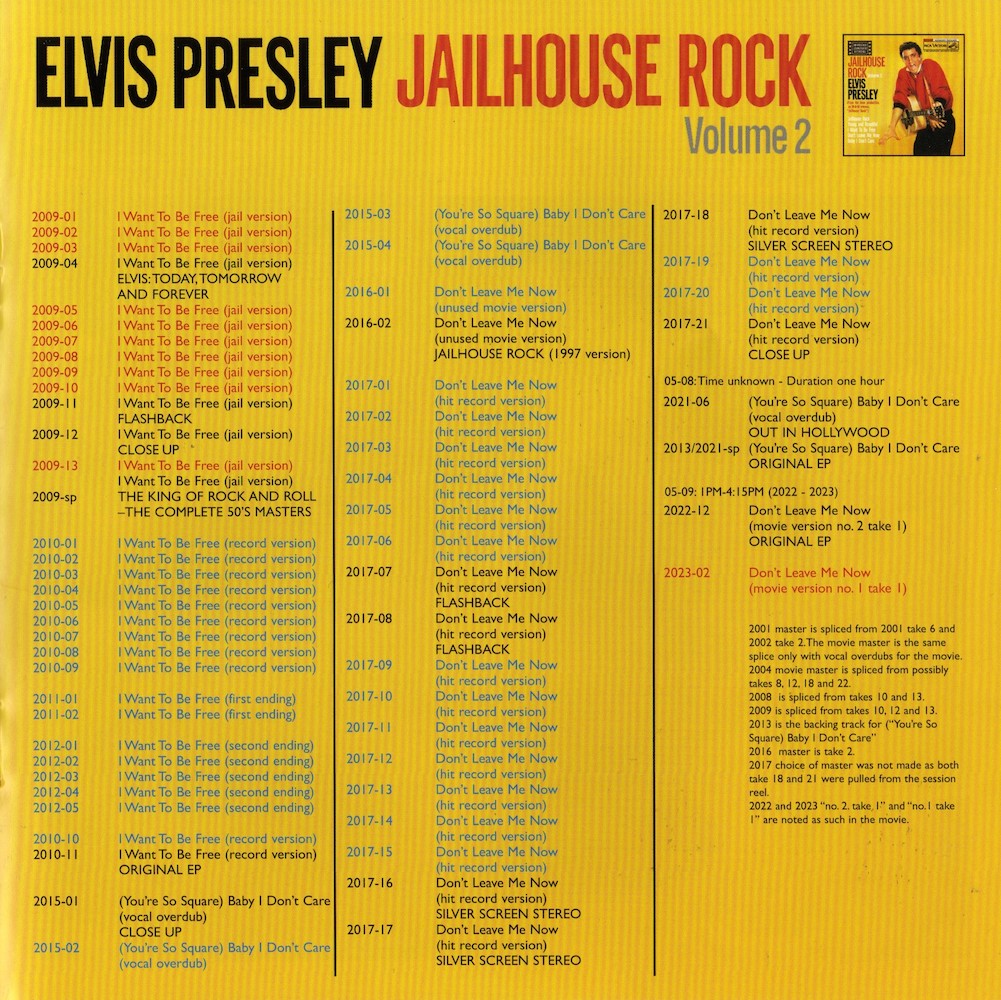
More importantly, it includes the “In And Outtakes” section which explains in detail where each outtake has been released. At the session Elvis recorded over 120 takes to complete the various arrangements of the six tracks and it is a real surprise at how few have been released in the past.
The Music
To stop the songs becoming overly repetitive, the track sequencing has not only been split across the two CDs, but also separated on each disc. While in general this is a sensible idea it could be annoying for some completists who, for instance, may want to hear the eight takes of ‘Jailhouse Rock’ in order. However, the chance for fans to listen to so much studio discussion at such an important recording session is a revelation.
The audio quality of the remastering, by Vic Anesini and Sebastian Jeansson, is sensational. The tapes sound so crisp it is hard to believe that they are nearly sixty years old. The whole session is presented in binaural which enables one to listen to Elvis’ vocal, all the instruments, as well as the backing-vocals in astounding clarity.
Elvis’ vocal, all the instruments, as well as the backing-vocals, in astounding clarity.
‘Jailhouse Rock’ -
Elvis described this sensational song as the hardest he had ever had to record and you can hear how demanding it was on Elvis’ vocal chords. There are seven previously unreleased outtakes included here and for any serious fan this is crucial listening.
The first few attempts consist of the band trying to get the pounding intro perfected before Elvis notes, "Too slow. A little bit too slow." The first complete cut, Take 4, is sensational for the raw rasp in his voice and Scotty Moore’s very different guitar solo. The band for some reason stop too early with Elvis commenting in the background, "Oh bullshit man" and then explaining, "just keep it up, he’s gonna’ fade out in there!"
Complete Take 6 is fascinating as the first half was used for the final release. Beforehand Elvis clarifies how the ending will work and asks, “Just keep going?” before adding, “We’ll keep saying it until you’re ready to fade. My tongue will be out!” Immediately you can hear the perfection of the final release until they get to the guitar solo when Scotty Moore badly misses the mark and then a verse later Elvis also has to stop, laughing “Oh man, I couldn’t keep it up.”
Take 7 begins just as well, but Elvis has to give up half-way through, “Man, I can’t do it”. Take 8 falls apart even earlier with Elvis explaining how they should aim for a spliced master noting, “I don’t think I can make it all the way through”.
Deciding to record the second half separately Scotty Moore also get a chance to practice his guitar solo. “I like that part of the break there, it sounds good” says Elvis. The band then completes the second half with ease.
The final release was Take 6 with a splice of Take 2 (work-part) on the end.
‘Treat Me Nice’ (First Movie Version) -
Elvis had great faith in this song and suggested that it could be a future single release. It would go through several different arrangements before he achieved his final objective and here we get fourteen previously unreleased attempts.
At the start there is plenty of discussion between Elvis and The Jordanaires about the backing-vocal intro. Elvis says to the studio, "Hold it a minute Thorne and let's get this straight"!
On Take 3, the first complete run-through, Dudley Brooks plays a totally different, jazzier, rhythm on the piano and Elvis nonchalantly slaps his guitar for the back-beat. Elvis’ vocal is deliciously cool, listen out for his sensational “Yeah honey” @ 3.35, at the end he breaks up laughing with enjoyment. Elvis says, "That's a hit!" This take is absolutely sensational listening.
Previously unreleased complete Takes 5, 7 and 9 all have the similar laid-back feel with the band working on the song’s outro timing and they all feature the cute, “Well honey” ending.
Elvis is obviously having great fun at this session and before Take 8 jokingly announces, “American Airlines flight 454 loading at Gate 5, Minneapolis, Saint Paul. All aboard please, don’t forget your babies and your luggage!” This wonderfully demonstrates the jovial atmosphere of the session. Elvis also comments, “That was a good tempo. That was swinging like a fat lady!” A sensational addition to our collections.
By Take 9, Jordanaire Hugh Jarrett has added his “hey, baby” backing. These early takes are unbelievably different from both the final single and also from the later movie version.
After more rehearsals, Take 13 is near perfect in this original slower-paced arrangement. By Take 15, however, Elvis has for some reason decided to change the song’s tempo “It’s a boogie”, speeding it up while still keeping the “hey baby” backing vocals. Afterwards, Elvis understandably asks for a playback to give him an idea of what they were doing.
On the final few takes Scotty Moore adds some more “too damn complicated” guitar lines and the overall enjoyable feeling gets lost. Elvis also gets annoyed mid-song telling his pals, “We’re trying to cut a damn record; if you’ve gotta talk get out in the damn hall will you.” Perhaps Elvis stayed angry because Take 19, which wrapped-up this “First Movie Version”, sounds a little forced and it was never used.
‘Young And Beautiful’ (Jail Version) -
With the beautiful “Record version” completed Elvis had to record some rudimentary “Jail versions” where he was required to sound more like an amateur. At the start Elvis even asks, “Do you want it awful?”
These versions are delightful as Elvis sings with minimal acoustic guitar, sounding delicate and insecure to match the movie's plot. “Go to hell Hollywood” Elvis jokes after Take 1.
Elvis’ performance is almost too insecure at times with Elvis joking to everyone, “If I get any worse the Johnston Office won’t pass it.” Here Elvis is referring to Eric Johnston’s Hollywood Production Code which made sure that films in the fifties were released "within the limits of good taste". The song’s lyrics, “You’re so young and beautiful” could, of course, be taken the wrong way!
Take 3 (previously released in the 50’s Box-Set) was the “Jail Version” master and was featured in the movie.
‘Don't Leave Me Now’ (First Version) -
Previously recorded for his Loving You soundtrack album Elvis wanted to re-record it for inclusion in his follow-up movie. Played at a very slow tempo this first version was probably recorded for the film as a possible “amateur version”, although it was never used. Elvis asks for “quiet in the studio” and this version actually features Elvis playing piano. Without the usual piano intro, this cut contains some cool country-style guitar breaks from Scotty Moore giving it a very C&W feel. This is very different to the other versions and sounds very rough with Elvis drifting off-key at times. Sounding like a poor rehearsal, they stopped after the second take so they must have got what they were looking for. Nevertheless, with Elvis on piano it is still a great addition to the collection.
‘Don’t Leave Me Now’ (Hit Record Version) -
This is all the more interesting as RCA eventually released the “Movie Version” rather than the expected “Hit Record” cut. This version has a softer arrangement with a rolling piano line and a bluesy guitar backing. Elvis tried a laborious twenty-one takes of this version with only four attempts being complete. Here FTD gives us fifteen brand new outtakes and plenty of eavesdropping on Elvis and the group at work.
The first few takes lead nowhere with Elvis noting, “Seems like everybody’s holding down, can’t get no feeling out of this.”
Before Take 8 Elvis explains to The Jordanaires what he is looking for, by singing their part, and at last they get their first complete take, albeit a little rough around the edges.
A charming Take 10 gets almost to the very end when Bill Black mistakenly stops playing causing Elvis to amusingly exclaim “Oh shit!” during the very last note from The Jordanaires.
After some studio mic re-arrangement, Take 13 is near perfect save for Elvis obviously missing his timing on “Don’t close your eyes” mid-song.
The next four takes all quickly fail before a fine, complete Take 18 which features a cool swing, nicely driven by Bill Black’s bass-line. By now Elvis is adding plenty of spirited vocal inflections; listen to his moans on “What good is dreaming” and his playful cool “Elvis” mannerisms. The ending has an attractive cool and jazzy feel. No wonder it would be selected as an “RCA Alternate Master”.
“Let’s get it boys, before we get out the mood,” Elvis announces and they try to improve on it for three more takes. By Take 21 however, Elvis is trying too hard, over-emphasising his vocal mannerisms at times and wavering off key at one point. However Elvis must have decided that he couldn’t improve on this since this was the last attempt and it was selected as the “RCA Alternate Master #2” even though earlier Take 18 is the better version.
Neither of these selected masters would in fact be released, instead Elvis would return to the song, yet again, one week later on the MGM soundstage.
‘I Want To Be Free’ (Record Version) -
For this version composer Mike Stoller took over at the piano and you can hear his input as a producer. The arrangement was now piano-driven and played at a faster tempo. Stoller would also appear in the film playing piano.
Take 1 is fascinating as Elvis gets Stoller to change the style of the piano intro explaining, “No, no, I don’t mean like that. The same intro as Ray Charles does.” None of the early takes get anywhere, with everyone messing up the timing of the start. There is also some wonderful studio banter plus real hilarity over a misunderstanding about someone “beating-off”!
Take 9 is the first complete run-through, even though Bill Black plays off-key in the middle, and so ends up as a rough rehearsal. Bill Black is having obvious trouble playing his new electric Fender bass and Elvis comments, “Sister Black can’t get it right” before encouraging everyone with, “That was a good opening, men.”
Take 11 at last proves satisfactory and becomes the single master even though Elvis knows the ending isn’t perfect and so asks to re-record the final section.
The “first ending” attempt gets nowhere, “Doesn’t matter how sloppy it is at the start, we’ll be cutting it in” explains Mike Stoller. However, Elvis’ voice isn’t up to it and they soon give up. “That’s enough,” says Mike Stoller.
The “second ending” again features much studio hilarity, “I hit a bad note” notes Elvis, but on the fifth attempt Elvis sings his final vocal bass-slide perfectly.
‘Young And Beautiful’ (Florita Club Version) -
This was the final song attempted on the first day with yet another alternate arrangement to fit in with the movie plot. Scotty Moore's guitar pushes this to a more "country" sounding number with Dudley Brooks playing a softer piano arrangement.
Elvis’ vocal on the early takes drift off-key with the producer suggesting, “For the auditions they sound a little too square” and Elvis replying, “I thought I was going to get an Academy Award!”
Complete Take 4 has the oddity of Elvis singing off-key at the end but by Take 7 Elvis has perfected that feeling of cool insecurity which skilfully sounds halfway between the “Jail” and final “Record” versions. This was selected as the “Florita Club” movie version.
‘(You’re So Square) Baby I Don't Care’ (Vocal Overdub) -
Driven by a bubbling bass-line intro Bill Black again had troubles playing his new Fender bass and stormed out of the studio in frustration. To everyone’s surprise it was Elvis who picked up the new bass guitar and started playing with the band to create the backing track. Elvis would eventually cut the final vocal overdub at the MGM Soundstage the following week, but here FTD present Elvis’ four initial attempts.
This first version has a very different vocal and Elvis probably felt strange doing a vocal-overdub to his own bass-playing. He jokingly comments at the start, “It’s too late in the day for all this shit.”
On this take Elvis sings, “I don’t know why I love you babe” instead of “I wonder why I love you baby” and vocal is pretty rough.
You can hear his chair squeak, as well as his finger–snaps, but the long drawn out “Care, care, care, care” ending is a classic. Elvis’ exclamation at the end, “Phew - pow, pow, pow” captures the fun of the session.
Takes 2 and 3 soon fail, “You better watch that damn Hugh Jarrett” Elvis jokes. Take 4 then stops halfway through with Elvis sounding frustrated and stating, “Forget it Thorne, I can’t do it!” Elvis meant what he said and so they moved on to the next song.
Overall Verdict
This second volume includes an astounding sixty-six previously unreleased outtakes from one of Elvis’ most important recording sessions. And even though the Jailhouse Rock soundtrack consisted of only six songs we are incredibly lucky to be able to have the opportunity to eavesdrop on such a positive and creative experience. While there is no doubt that CD1 of Volume 1 (with its selection of crucial recordings) is the highlight, this second expansive collection is truly fascinating and yet another essential release. This is what the FTD label should be all about.