Review by Piers Beagley - Elvis Information Network
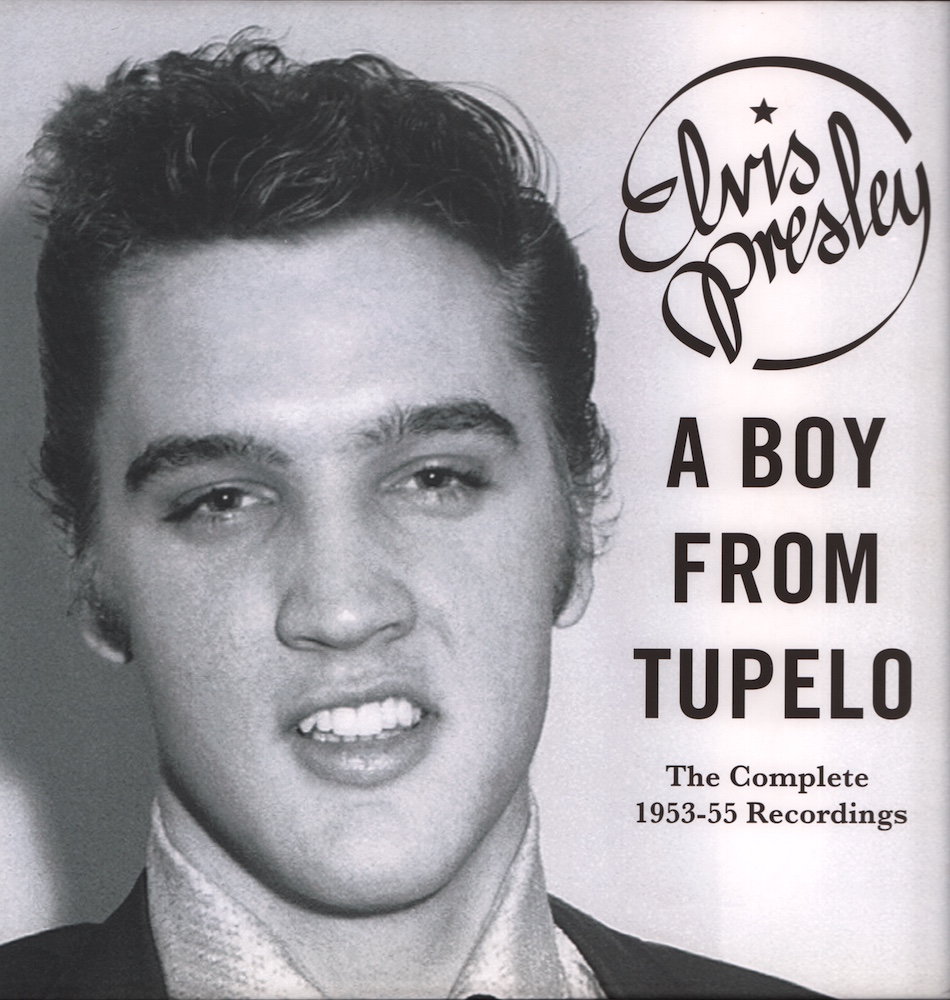
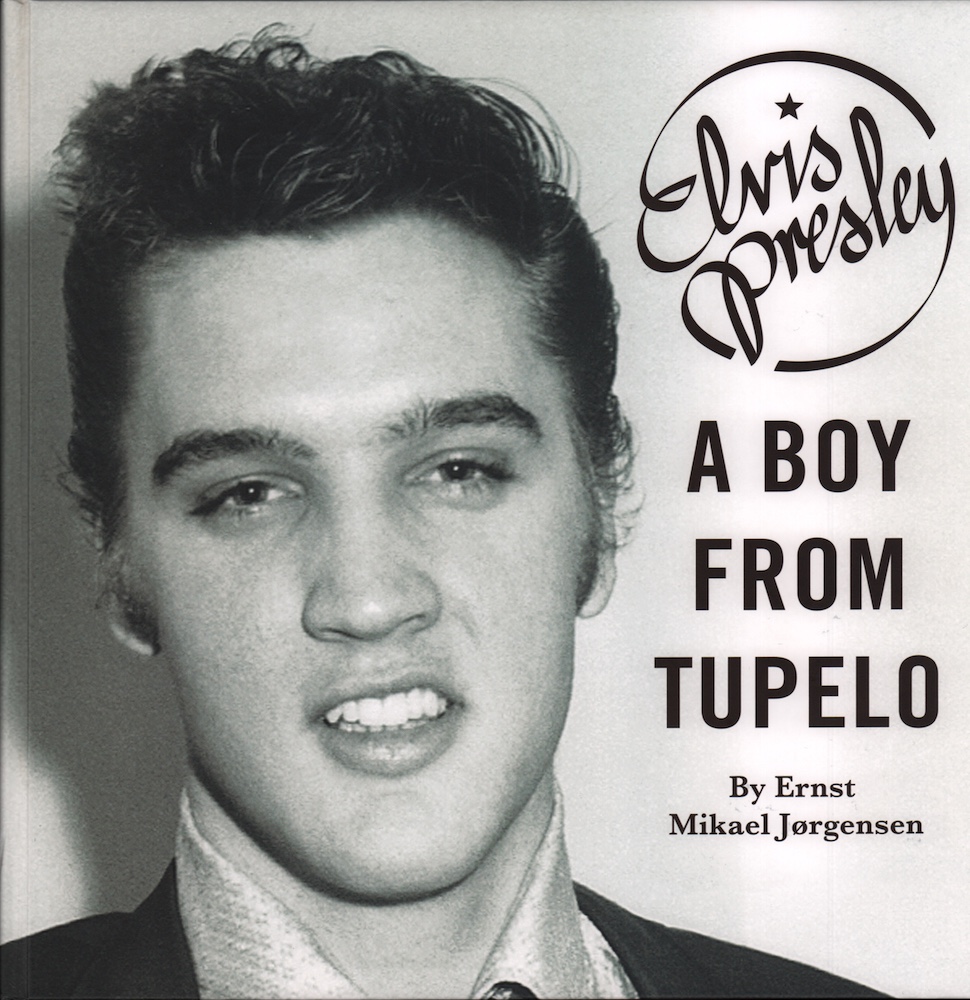
For more than a decade Ernst Jørgensen has been working on his deluxe book/CD package to present the definitive look at Elvis during his sensational and creative Sun Records period.
Back in early 2004, Jørgensen talked about it in Elvis: The Man And His Music detailing it as around 400 photos, plus three CDs and implying it would be out sometime the following year!
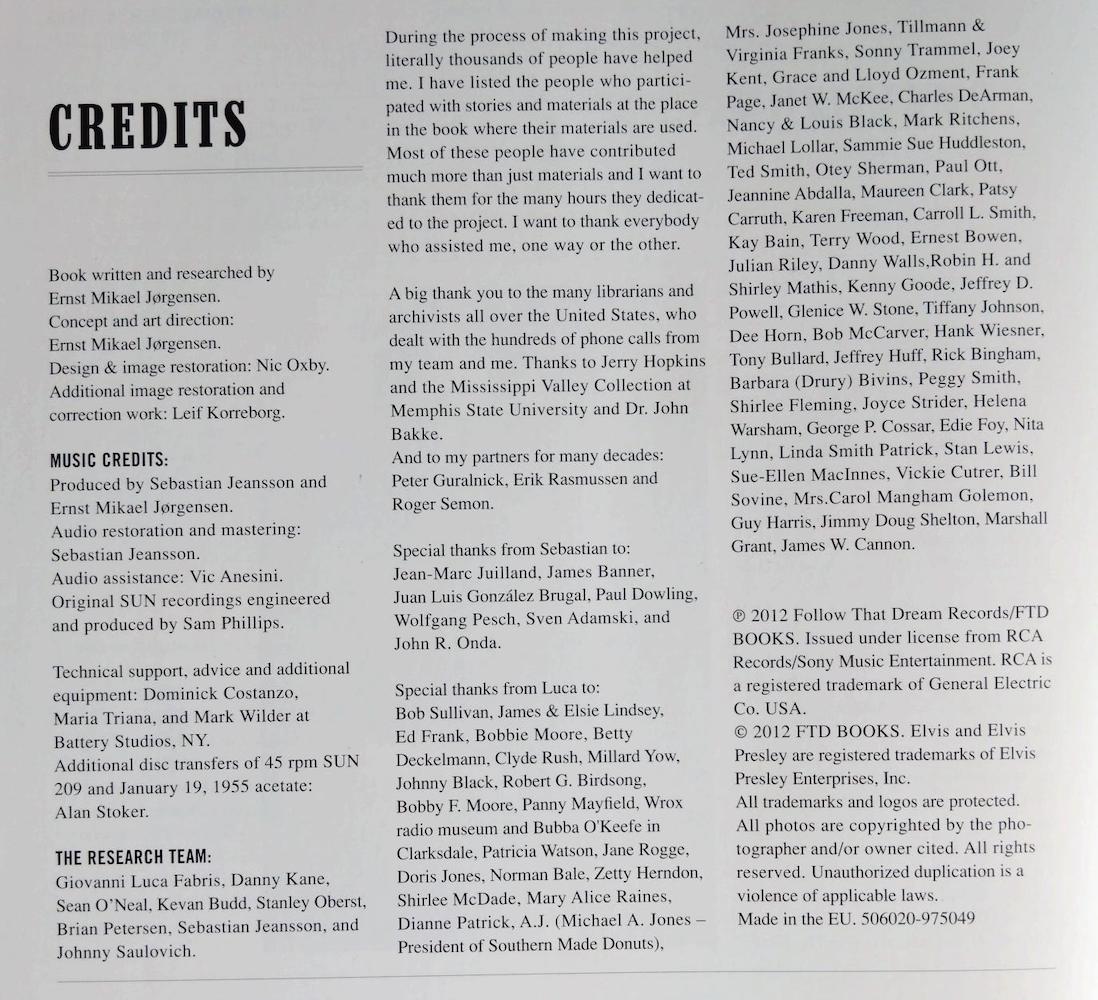
Eight years later, it was released as a massive 530-page book, comprising about 1,000 photos and weighing nearly 5 kgs. This is the biggest project of its kind.
The boxed format is the same 12" x 12" box as for the 1956 special release Young Man With The Big Beat, but this time six times bigger.
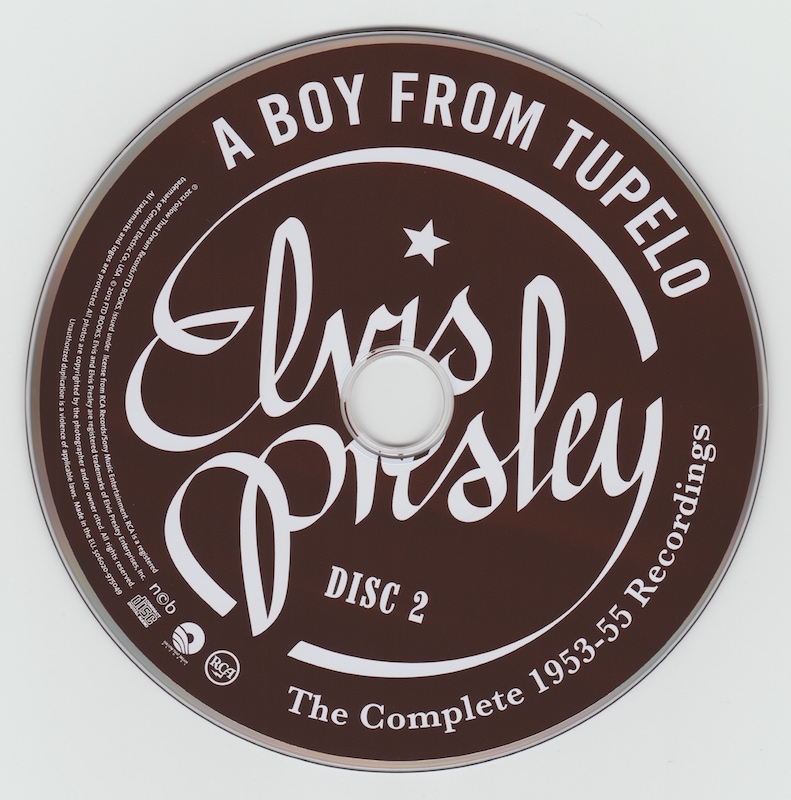
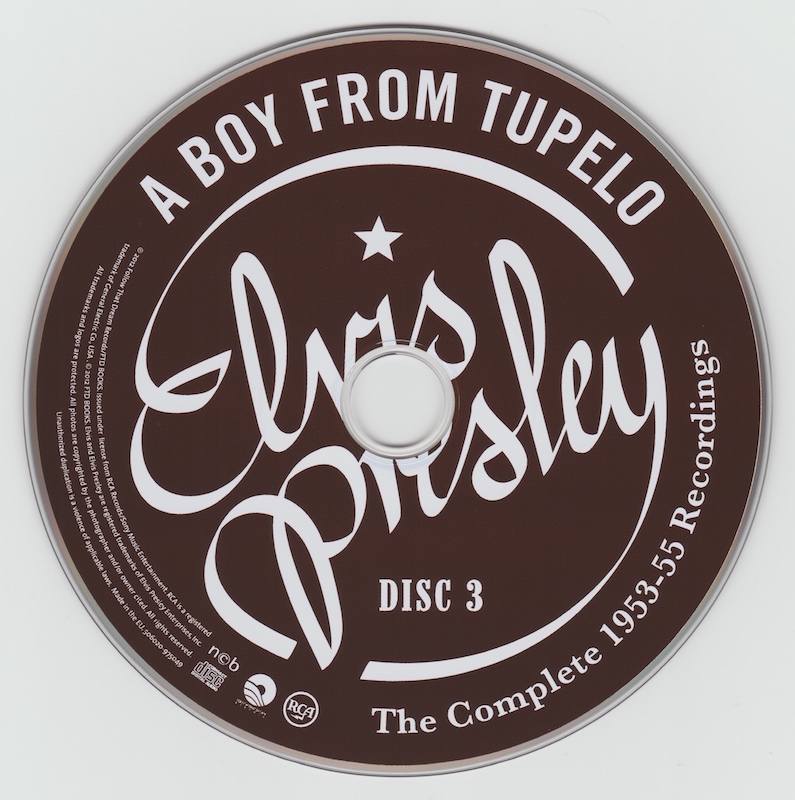
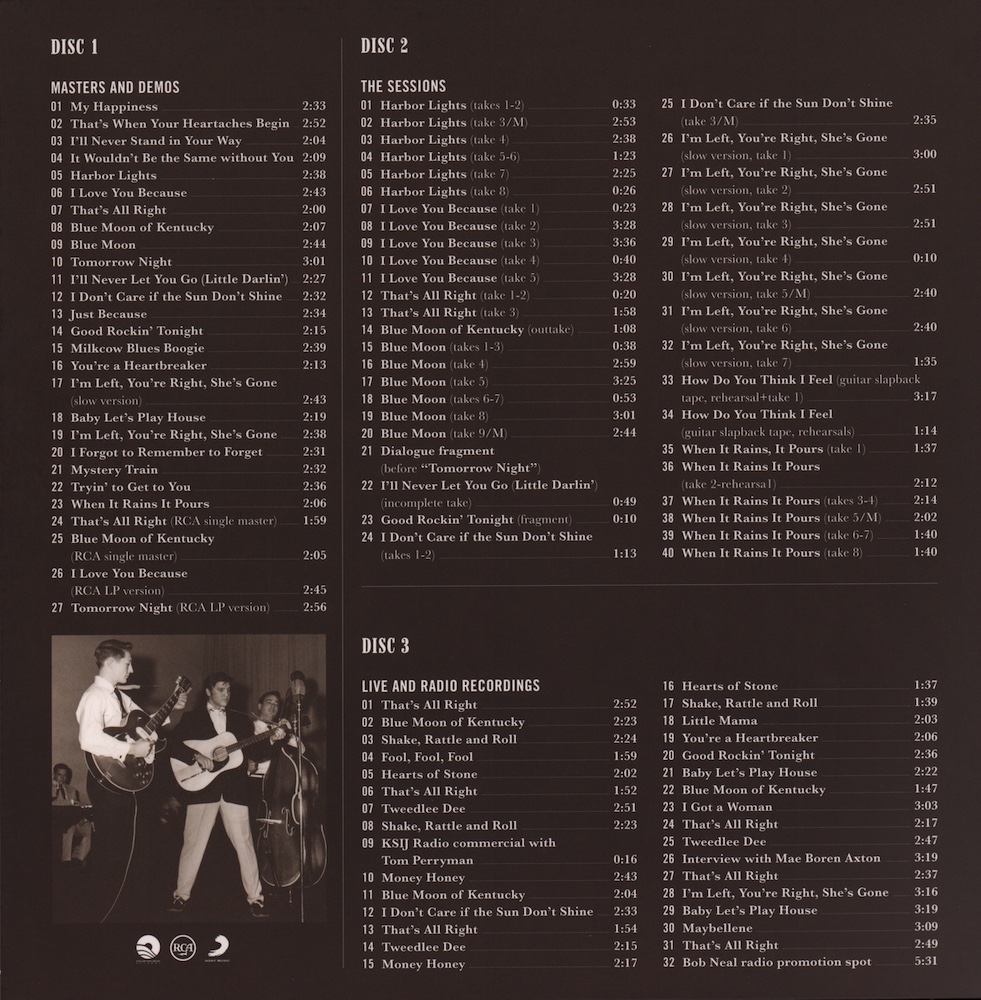
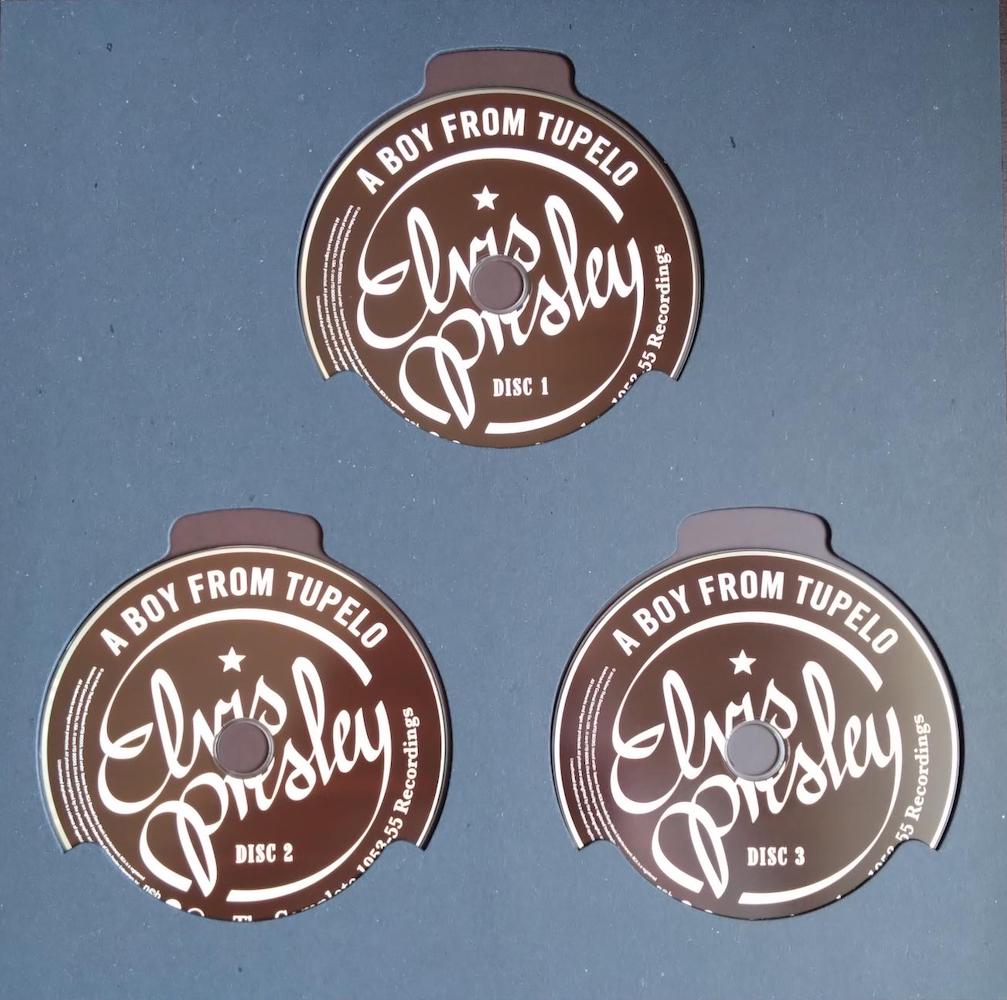
It also features all of Elvis’ Sun recordings on three CDs - including a CD of Elvis live, on the radio, and in concert. The three CDs offer every last second of recorded audio known to exist of Elvis from July 1953 (the home acetate) to August 1955 (live at the Louisiana Hayride) and November 1955 (the last Sun session). These are presented in a separate "double-album" gatefold sleeve.
While all Elvis fans know the basic story of his astounding beginning at Sam Phillips’ Sun Records, and the kick-start July 1954 "creation" of rock ’n’ roll as we know it, no- one has ever presented this unique eighteen- month period in Elvis’ life in such depth before and with so much new material and unpublished photos. Extracts from Bob Neal’s unpublished biography are a real find as are all the newly discovered fan stories.
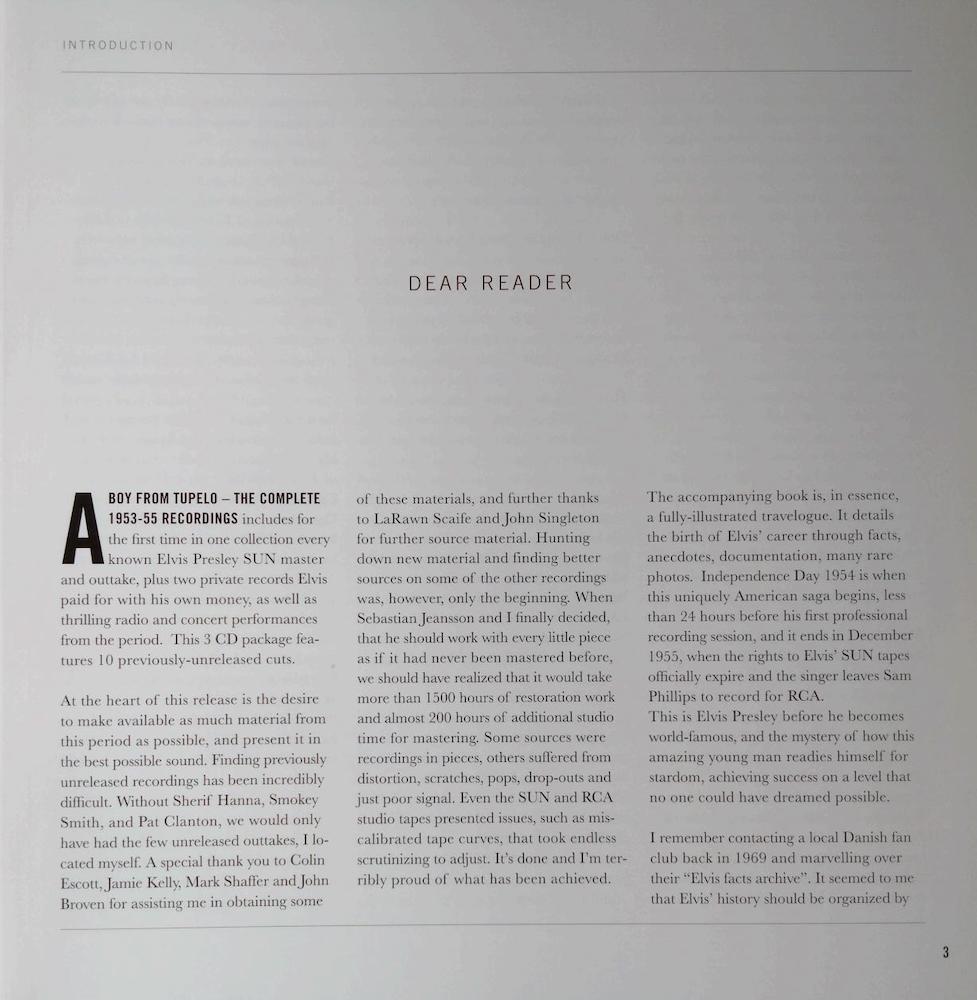
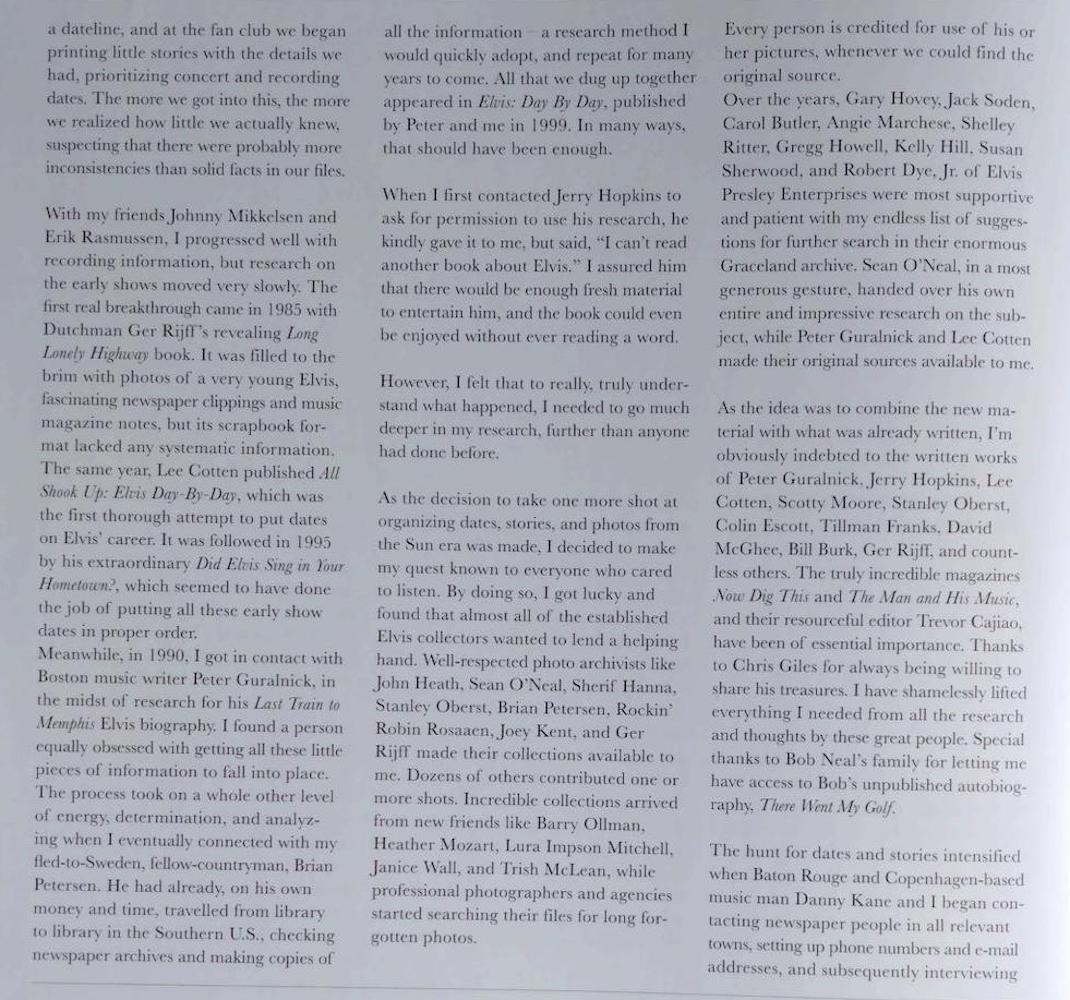
In the detailed introduction, Jørgensen explains how the narrative was written and who also helped contribute after his hunting down all the personal fan stories that had lain hidden for years, …
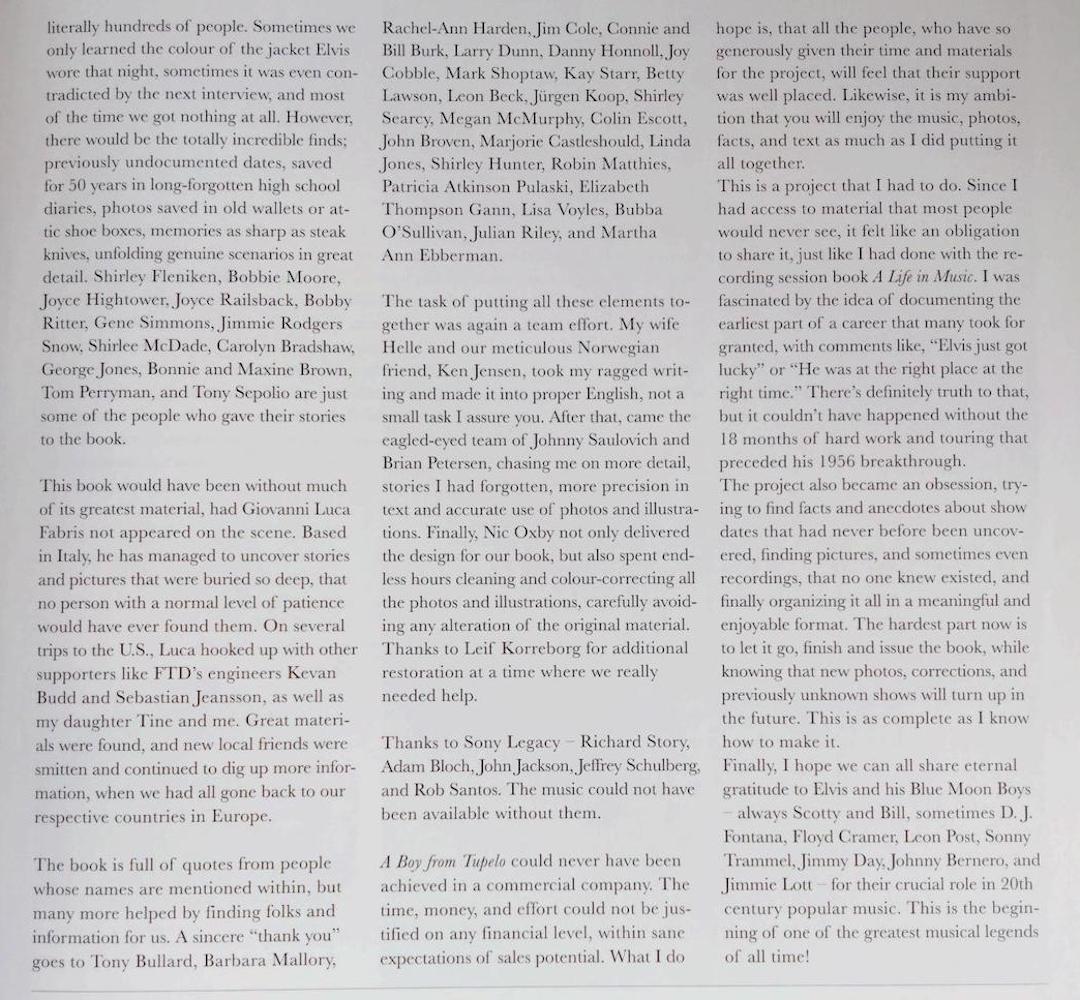
"As the idea was to combine the new material with what was already written, I'm obviously indebted to the written works of Peter Guralnick, Jerry Hopkins, Lee Cotten, Scotty Moore, Stanley Oberst, Colin Escott, Tillman Franks, David McGhee, Bill Burk, Ger Rijff, and countless others. The truly incredible magazines Now Dig This and The Man And His Music, and their resourceful editor Trevor Cajiao, have been of essential importance. Thanks to Chris Giles for always being willing to share his treasures. I have shamelessly lifted everything I needed from all the research and thoughts by these great people. Special thanks to Bob Neal's family for letting me have access to Bob's unpublished autobiography "There Went My Golf."
... Finally, I hope we can all share eternal gratitude to Elvis and his Blue Moon Boys - always Scotty and Bill, sometimes D. J. Fontana, Floyd Cramer, Leon Post, Sonny Trammel, Jimmy Day, Johnny Bernero, and Jimmie Lott - for their crucial role in 20th century popular music. This is the beginning of one of the greatest musical legends of all time!"
The book features seventy-eight chapters each focusing on one specific week, from the beginning July 4 1954 (the day of the first try-out at Scotty Moore's house), through to December 31 1955 (New Year’s Eve at the Louisiana Hayride) when Sam Phillips’ rights to Elvis’ Sun tapes officially expired. A time-line on the left-hand side of each chapter shows exactly what Elvis was doing or where he was performing on each day of the week.
It’s July 4 1954 and Bobbie Moore, (wife of Scotty Moore) starts the incredible story…
"It was on a Sunday afternoon in July. We were expecting him, I didn't know his name, Scotty had told me, but I had forgotten. He knocked on the door and I went to the door. He was standing there, with a guitar in his hand, pink slacks, and didn't know if this was the right place. Didn't tell me his name. I assumed it was him, so I invited him in. Scotty came in and they started talking for a while. So Scotty sent me up to Bill's house… and (then) we all sat down and listened. He was doing a lot of slow songs; he wasn't doing anything fast, like what he recorded. He had a good voice and seems like he did a lot of songs like ‘I Love You Because’, and country songs. It seemed a bit funny, with his ducktail and long hair, doing country music more like a rock star to begin with. Elvis left, and Scotty and Bill discussed, and Bill turned to Scotty and looked at him kinda funny, “What do you think of him?” Scotty said, “Well he's got a good voice, good singer, if we can find the right material.”"...
The design is basically laid-out with relevant photos, memorabilia and stories from each day, nicely presented. For instance from July 27 1954, the original first newspaper story on Elvis is shown along with the original photo in lovely quality next to it.
Jorgensen’s narrative comes from the extensive interviews, newspaper articles, books and, best of all, fan reminiscences. A large number of these are from fans which Jørgensen managed to track down for the first time and who also supplied their wonderful and unpublished photographs.
The fan descriptions from the time provide wonderful insights into what it was like to see “The Hillbilly Cat” in action and relaxing back-stage. While the stories of Elvis performing are fascinating, it is more often the personal stories that offer the best insights into the life of Elvis at the time:
Carolyn Bradshaw:
"When I came back to the Hayride, Elvis was there. All the girls were telling me:”You're gonna have to see this new guy, wow!” I was thinking, “Who is this upstart? He can't be that hot.”
When I saw him, it wasn't just that he was magnetic, like an electric eel, he was exactly my type. I was seventeen. I didn't have a contract with the Hayride, it was just agreed that I would be there every Saturday night. I came back from California just before we got into the Christmas Holidays."
Shirley Flenniken talks of meeting Elvis backstage in January 1955:
"I just asked, ‘Elvis, what kind of music do you like best, hillbilly or rhythm and blues?’ He said in a serious tone, ‘Rhythm and blues’ but immediately laughed, and quickly added, ‘No, I like all kinds of music - it's all good in different ways - right?’ And he looked over at the mail, who nodded in agreement...
His mood then changed to a very playful one. He was running all around the backstage area, being "crazy". My sister and I joined in on the mischief. I saw two cardboard swords lying on the floor. I picked one up and struck a sword-fighting pose. Elvis saw me, and wasted no time in running over and grabbing the other sword, and we proceeded to have a make believe duel! By this time, I was just beside myself - Elvis was so exciting and fun to be around! He was having such fun that night. He won the "swordfight". He took my sword away and held it up triumphantly, then laughed, ran over and hugged me, then ran away again."
And from a concert on April 28 1955 at Andrews High School - Shirlee McDade: "The girls were going crazy and trying to rip off his clothes during and after the show."
Serena Nelson:
"We went backstage to get his autograph. I guess in my mind I thought he would be perfect and not perspire. The auditorium was so hot. He said something like, ‘Hey, babe, will you hold my coat?’. And he had on a pink jacket. It was just so wet from perspiration. So I just stuck out my finger, and lifted it by the end of my finger. He had on a lace shirt underneath. He had a little purple spot on his chest. We got our autographs, and when he was through signing, he came back and got his coat."
Nearly all the key figures such as Sam Phillips, Scotty Moore, Bobbie Moore (Scotty’s wife), D.J. Fontana, disc-jockeys and other performers such as Maxine Brown, Wanda Jackson and Betty Amos, all give their insights into Elvis’ early life-story.
As mentioned before, Bob Neal's unpublished autobiography is also a major part of the text. And it is perhaps surprising just how early the wily Colonel Parker appears in the story, around early January 1955, and how soon he would start forcing Bob Neal out of the picture.
An extract from Bob Neal beautifully captures the tension and disappointment of the failed Arthur Godfrey audition:
"A short cab ride took us to the studios for the Godfrey auditions. Elvis and company stood quietly, with only an occasional chuckle, as I told the receptionist who we were.
After about forty-five minutes, the long-awaited call came, and Elvis, Scotty and Bill carried their instruments through the door. I followed and watched as technicians helped them arrange equipment and make brief voice tests for the microphone. Then, an impatient female voice came through the talkback speakers: "All right, let's go. We have a lot of people waiting".
Elvis nodded at Bill and Scotty, and the studio began to rock with the familiar beat of ‘That's All Right’, at first with slight restraint, and then, as the stage fright faded, with an all out performance of the trio. As the song ended, there was unearthly silence in the studio with no applause to punctuate the ending. Then the unseen voice said: “Okay. Got another one?” ... Elvis gave it everything he had. Now the tempo became electric, Bill Black swinging back and forth as he slapped the bass with Scotty, no trace of' emotion matching up the stylized guitar sounds, Elvis' pink outfit moist with perspiration, his eyes closed tight to the beat of ‘Baby Let's Play House’. I could see through the window of the dimly lit control room and could not help noticing that some of the shadowy figures behind the glass were swaying with the excitement of the rhythm, and I suddenly had a feeling that Elvis really had their attention - maybe he would make it. Elvis seemed pleased with the overall performance: ‘I reckon we just have to wait to hear from them, won't we?’
'I'm afraid that's all we can do now' I said.
The call never came."
Jorgensen also publishes RCA producer Steve Sholes’ session notes for the first time. It is amazing to see ‘I Got A Woman’ and ‘Tryin' To Get To You’ as selections in the February 1955 ‘Baby Let’s Play House’ session. The two versions of ‘I Got A Woman’ are noted as "Good" and "Very Good" - and someone at RCA threw them away thinking they weren’t worth keeping - while Elvis was in the army and they were searching for material!
Checking Elvis and The Blue Moon Boys’ gruelling concert schedule as they race around the country trying for some real success is enthralling. One moment they can be playing to huge audiences as part of the Big D Jamboree package with Hank Snow and others, and then they can be playing to a handful of people in a school gymnasium, or on the back of a flat-bed truck. It certainly wasn’t an overnight success!
Jan Edwards tells some lovely stories and provides some great photos of Elvis in Richmond on May 16 1955:
"Elvis was hungry, so we went three blocks to a restaurant. Loaded up with hamburgers, cokes, and twelve lemon tarts, we returned to the theater. The afternoon was spent talking about family, school, and God. There was an old upright piano in a corner, and Elvis started playing old hymns, including ‘In the Garden’ and ‘Whispering Hope’. Together we sang ‘Moonlight and Roses’, and I snapped a few photos."
Fans will be also interested to see other songs than Elvis’ Sun material on the set-list. Real surprises like ‘Pledging My Love’, ‘This Ole House’, ‘Only You’, ‘Sixteen Tons’ and a gospel performance on July 4 1955, even singing 'Amazing Grace' a cappella to the audience back in November 1954.
Every photo is credited and the attention to detail is amazing. This book takes a long time to read and truly absorb.
Doug Dixon on Elvis' Seymour Texas concert where a double-booking mix-up saw the band arrive over three hours late:
"Suddenly a girl screamed ‘He's here!’ It was almost midnight. Scotty and Bill, Elvis' band members, came on stage. Scotty stepped to the microphone and said, ‘Sorry, folks, Elvis couldn't make it.’ The same girl screamed, ‘He's here, I saw him come in!’ Scotty laughed and plugged his guitar into the amplifier. With the two-piece band in place, Elvis appeared. He was wearing a fire engine red sport coat, bow tie, white shirt, and blue trousers. Both the coat and trousers were about two sizes too large, so he could make his moves without ripping something. Elvis approached the mic’, legs straddled, with his guitar hanging in front of him. For a moment he stood there with half-closed eyelids, not saying a word. Scotty stepped up behind Elvis and pretended to wind him up, as one winds up a wind-up toy. With this done, Elvis suddenly grabbed his guitar and broke into ‘That's All Right, Mama’. His two-piece band followed suit, and the show was on.
What a show it was! Elvis shook, danced and twisted, as he sang one song after another. Later, I would see Elvis on TV, but none of those performances could compare with the one I witnessed that night. Bill Black rode his bass like it was a horse, as he slapped out a rockabilly beat. Scotty Moore's guitar lashed out adding to the frenzy of the crowd. Girls screamed, cried, and several appeared to faint. The girl sitting next to me moaned and slid to the floor and lay there jerking, as if she was having some kind of a seizure. I got as I big a kick out of the crowd's reaction as I did watching Elvis."
More information is also revealed about key incidents like the Bill Randle The Pied Piper Of Cleveland film from October 1955 including:
"When Universal director Arthur Cohen watched Elvis do a run-through before the show, he told Randle that he thought he was ‘pitiful, completely unacceptable, not worth the time and effort to set up the numbers’. Randle found a solution as he paid cameraman Jack Barnett out of his own pocket, and the filming went on."
Brooklyn Mayor John Coyne saw Elvis and the show and comments:
"We saw this fella running up and down the stage with a guitar, running back and forth. We looked at one another, like, ‘What the hell are they doing watching this nut?’ So we walked out like damn fools."
Similarly, Ernst Jørgensen has tracked down Elvis fan, Shirley Searcy, who was actually alone with Elvis in his original pink Cadillac when it famously burned out on the road to Texarcana, June 6 1955:
"We noticed cars of fans passing us waving, yelling, and honking their horns. Finally, we pulled to the shoulder of the road, and Elvis and I both got out of the car. We smelled the acrid odour of smoke, and about that time we saw the flames licking out from under the car. Elvis immediately tried to throw dirt and rocks on the flames."
It was her girlfriend, Jeanette Turner, who would take the last photos of Elvis' 1954 pink cadillac before the accident.
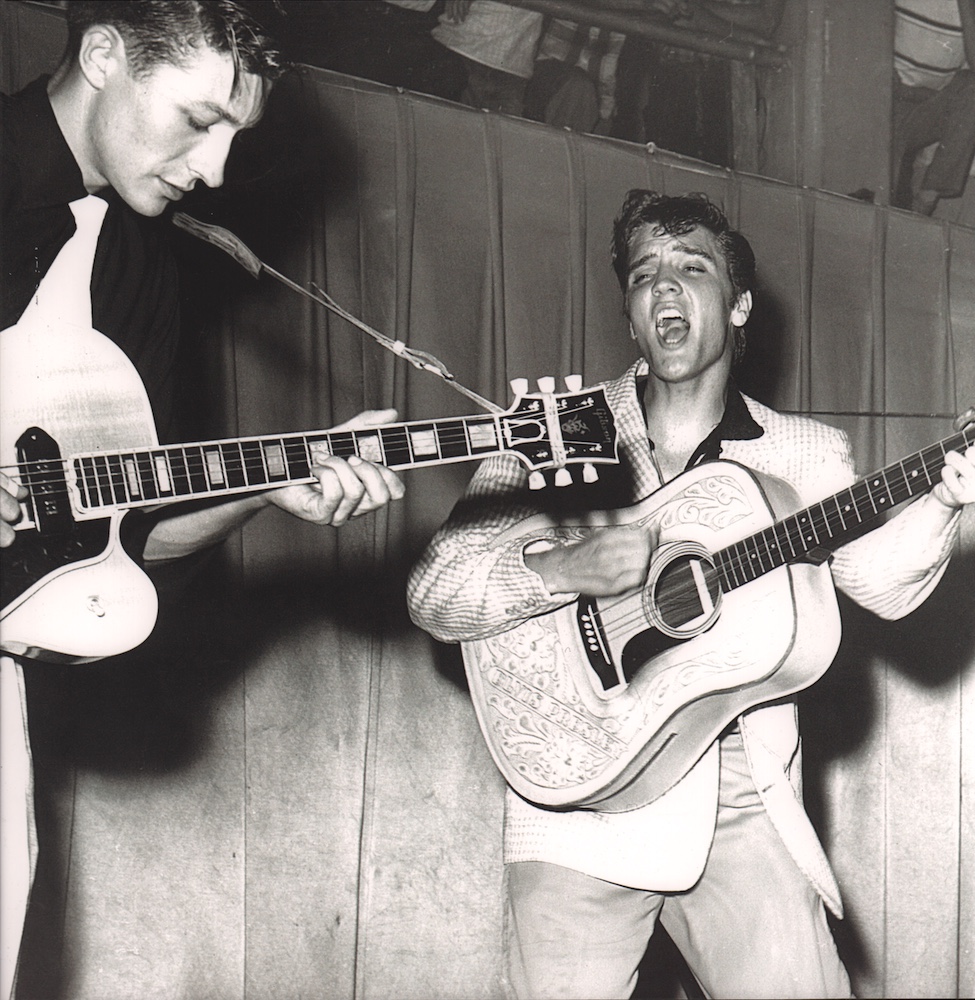
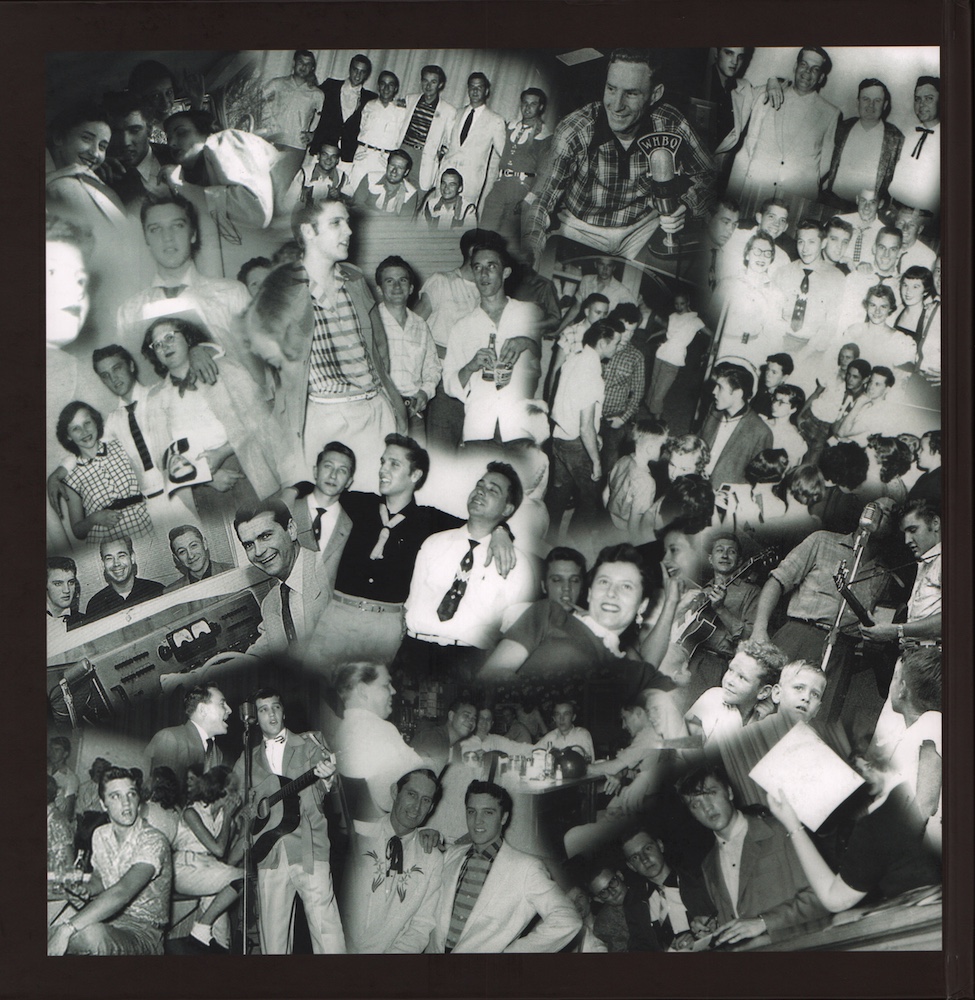
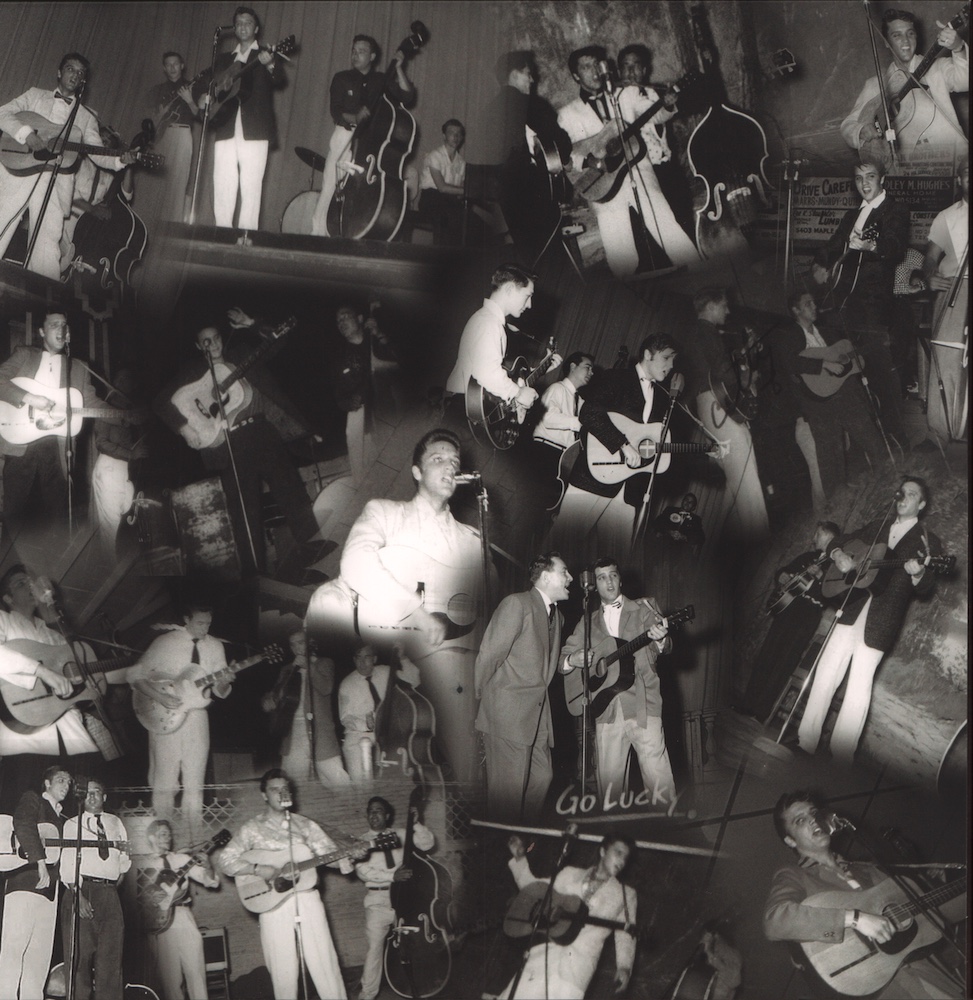
As for the photos, there is an unbelievable amount of early Elvis pictures that will astound even the keenest of collectors. So many of them are new to my eyes - at least two-hundred previously unpublished - and there must be nearly a thousand photos in the book. Many of them are in better quality or in larger format than you would have seen them before. While the vast majority have to be in black and white, there are a fair few unpublished goodies that are in colour.
Of course in these early days there were very few professionally taken photos of Elvis, so the majority are taken by fans. Some are, of course, in poor quality but some are stunning (I love the one with Elvis’ head mistakenly cut-off, no digital cameras in those days!). Best of all, they really capture the feel of what it was like during these eighteen months, as well as giving us an amazing look at this fresh-faced rocker as he heads towards fame and fortune.
While some are in surprisingly good quality there are a few that have suffered from being over-enlarged and a couple that have been badly processed for the book.
For instance, the gorgeous photo of Elvis in the RCA studio used for the front cover of The Complete Elvis Presley Masters is for some reason in very poor quality in this book - and a couple from the William Speer photo session are very poorly scanned and lined. But with such a large number of photos in a book this size this is inevitable - and the FABULOUS images sure outweigh the few poorly processed ones.
Unfortunately, this mammoth book has no index! While it may not bother some, for me this is a serious flaw. I love to look up specific song titles and track them through the years, as Elvis records them or performs them live. Similarly, it is essential to be able to look up specific people and find out when they appear in the book or first encounter Elvis.
The book is also missing a bibliography and while that is not so essential for me, it is these kind of precise notes that makes Guralnick’s biographies and other books so damn good.
The CDs are of course a “bonus” to the massive book but what a joy they are.
Every track has been sourced from scratch "as if it had never been mastered before" and Sebastian Jeansson has remastered them all in beautiful sound quality, although some of the "live" acetate sources, of course, sound fairly rough in the final disc.
The first CD contains all of Elvis' Sun masters while the second CD features the outtakes in the best quality and with plenty of extras most fans will not have heard before.
On the live CD, the collection is a revelation. It’s a healthy dose of swaggering righteous rock ‘n’ roll that speaks loudest as Scotty Moore, Bill Black, and - the ‘fireball’ - twenty- year-old Presley shake ‘em down at the hoedown. What’s clear is Elvis and his band are having a ball hot-footing it across the southern states before he found worldwide fame.
Focusing on the Louisiana Hayride shows and various radio shows, Ernst has hit the motherlode and put together an intimate portrait of the Presley live experience - that, it has to be said - brings us the closest yet to the feel and intimacy of those heady times. Seven tracks are unreleased and have been specially mastered from acetates for the live release. Fans have been waiting for so long for the infamous privately owned rarity of ‘Little Mama’ and it’s been worth the wait! For the first time, we also get a wonderful live performance of 'You’re A Heartbreaker' with piano accompaniment.
Standouts are 'Good Rockin’ Tonight', the brand new 'Little Mama', 'Baby Let’s Play House', 'You’re A Heartbreaker', 'Hearts of Stone', 'Tweedlee Dee', 'Money Honey' and the marvellous new ‘That’s All Right’ from May 1955.
Overall Verdict
This beautiful presentation has been well worth the seven-year wait. Elvis at Sun was such a key period; and with all the newly found photographs and wonderful new stories and delightful insights, there is surprisingly still so much more to learn and discover. While I so wish it had an index, even if that would have delayed the book yet another year, I am happy as it is. What I want from an Elvis book is great content, new information, plenty to read, lots of unpublished photos and if possible some great unreleased Elvis music - and this wonderful book ticks all those boxes in abundance! Elvis fans have never waited so long for a book to be published and so everyone’s expectations were very high, but this is the magnum-opus we had all hoped for. The three CDs of course are a wonderful bonus to complete the set. The massive size of the book does justify its highish price and this is an indispensable purchase for any true fan of early Elvis and musical history. Truly the most essential FTD publication so far.