Review by Trevor Cajiao - Elvis: The Man And His Music
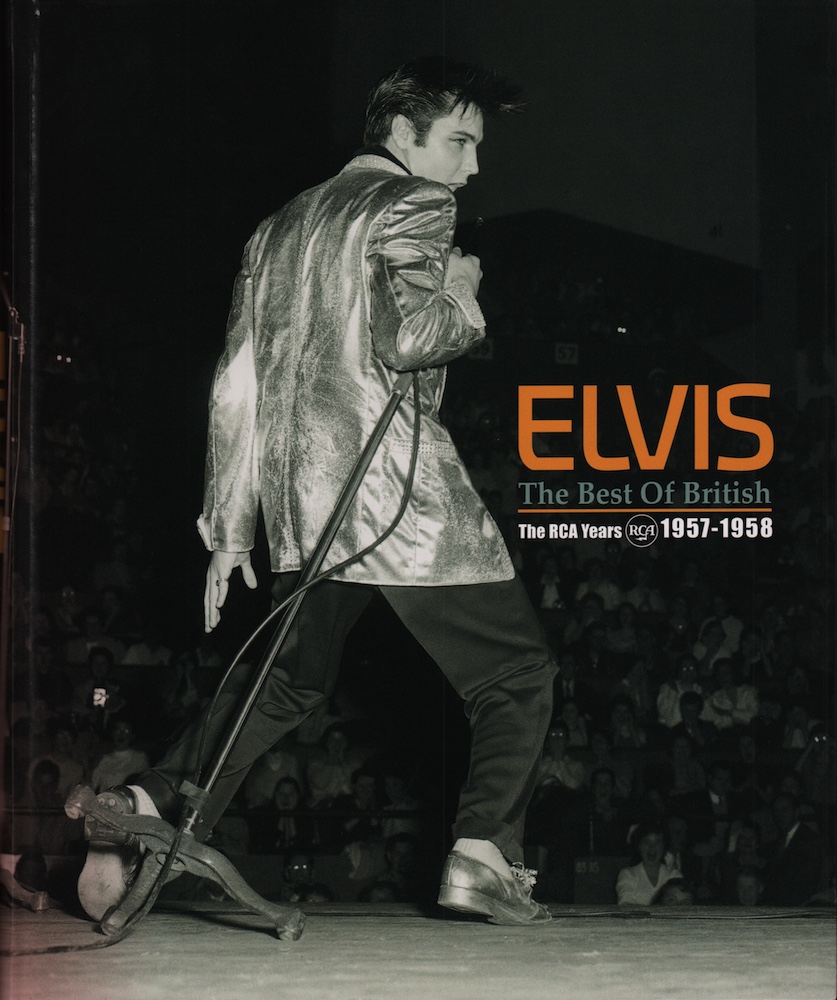
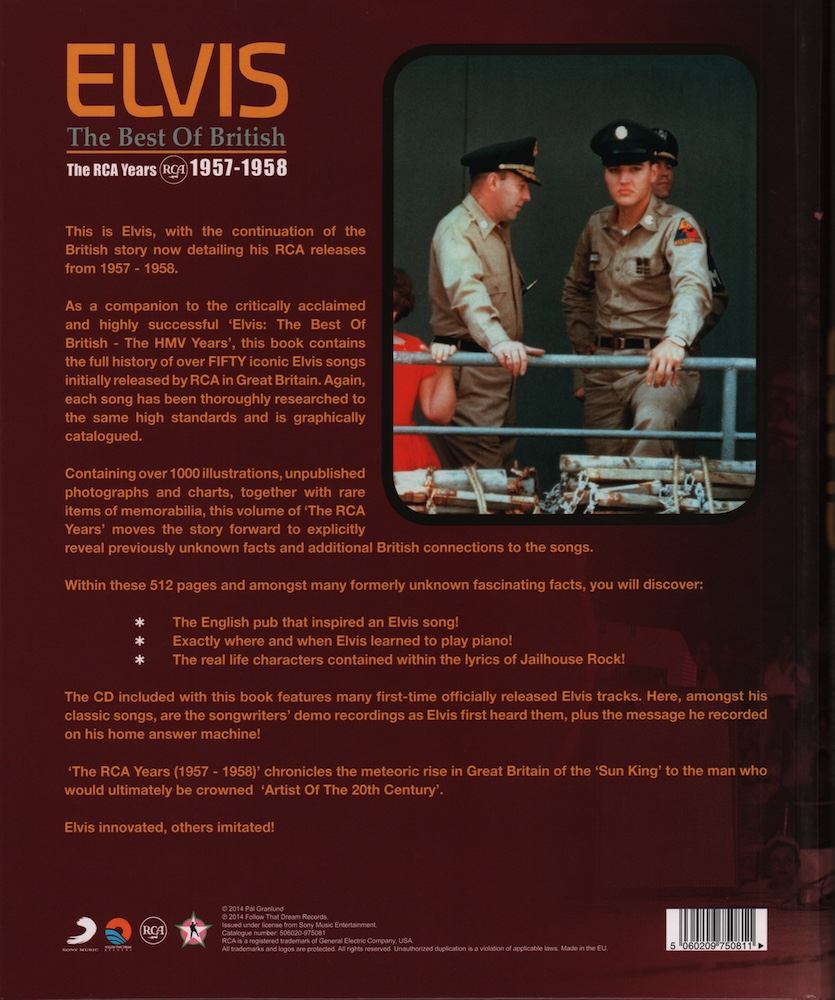
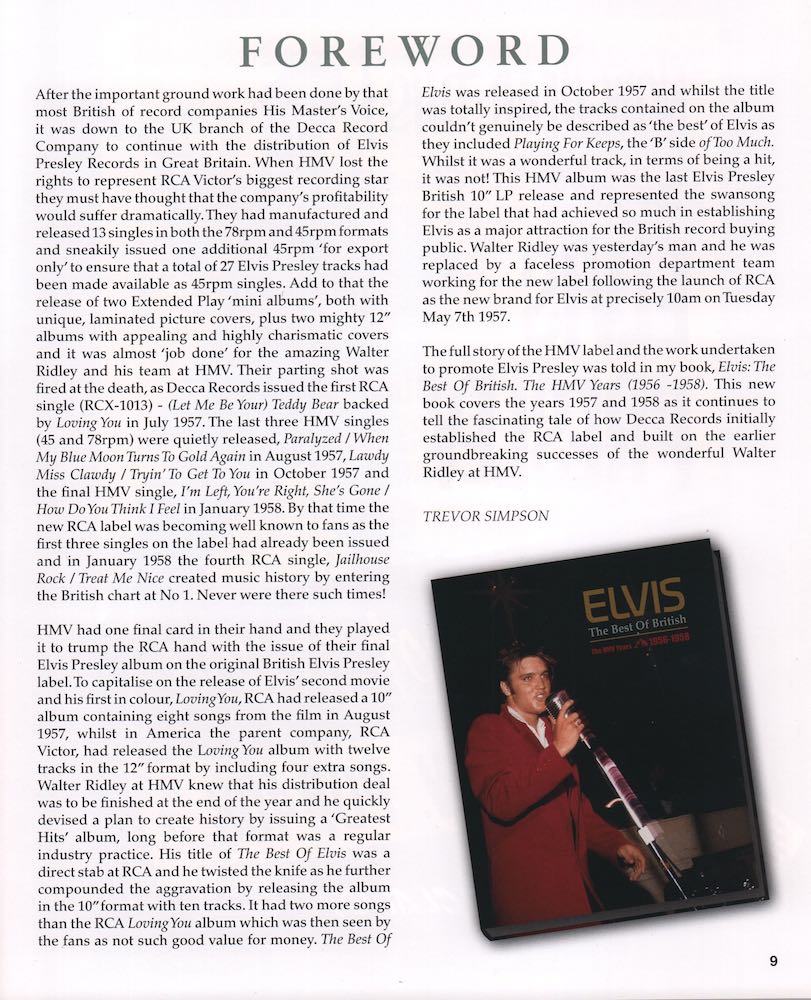
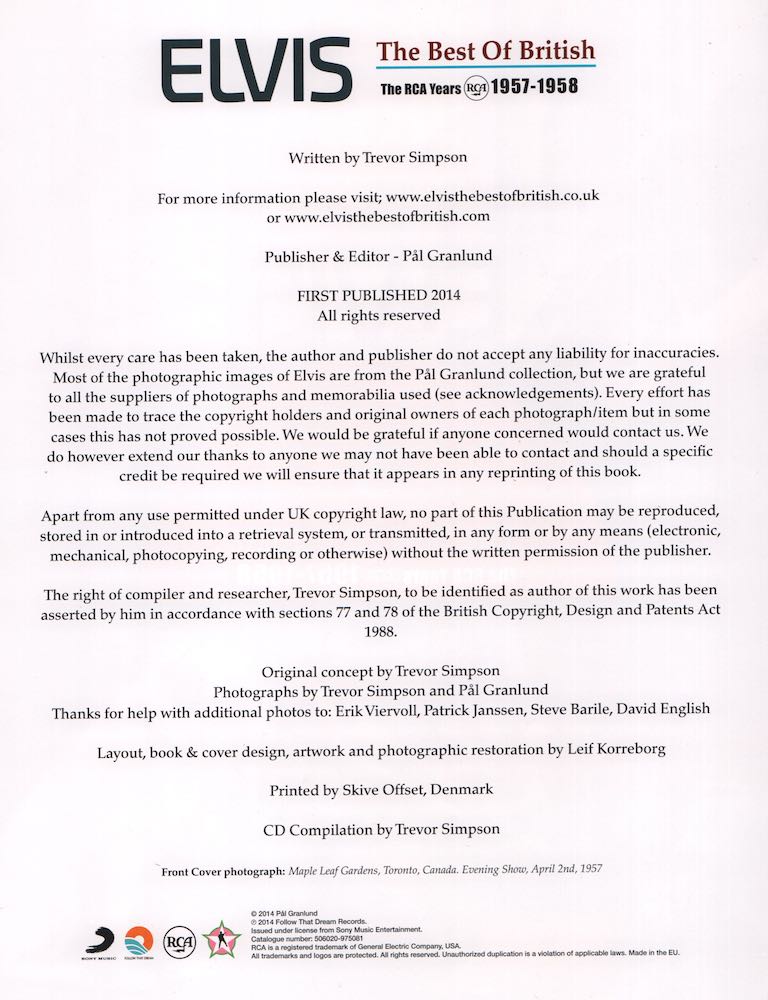
If you enjoyed the first Best Of British book, which dealt with Elvis’ HMV releases between 1956 - 1958, then you'll go for this follow-up too. It picks up where the last one left off and covers the material issued on Elvis’ initial RCA releases during 1957 - 1958.
Personally, I find looking at books of this nature akin to a sugar rush. Virtually every page contains something to grab your attention - and that's before you even begin to read the text!
It runs along the same lines as the HMV volume, telling the story behind each of the titles on the first RCA releases (ten 45s, seven EPs and four LPs), going into detail on all the songwriters involved, original versions where there was one) and heaps of other bits and pieces. It makes for a superb reference work and Trevor Simpson’s colossal research should be applauded. It's all placed in historical context, too, giving a real feel for the period.
The book is richly illustrated via a torrent of trade ads, label shots (common and rare), sheet music, press cuttings, magazine covers, you name it. Plus, of course, there are hundreds of photos (both colour and black and white) too, though not as many rare / previously unseen shots as the first book. There’s also some duplication of images from Something For The Girls! and King Creole - The Music. I can live with that, but a major, unfortunate gaffe concerns the use of two individual pictures of Jerry Leiber (one younger, one older) with the second credited as being Mike Stoller. This appears in each section a Leiber and Stoller song is dealt with - a total of eleven times!
But that’s small beer in comparison to the information and detail to be found within this book‘s 510 hardbacked pages. Just about everything you could ever wish to know about the songs under discussion is here, and not just recording info, release dates and that kind of thing. Take ‘Jailhouse Rock’, for example. It‘s explained how many of the characters featured in the lyrics were, in fact, from real life, be it the Purple Gang, Little Joe, Shifty Henry or Sad Sack. We’re also told that Bugsy (Shifty Henry's mate) was a reference to gangster Bugs Moran, through the photo next to his description is actually of Al Capone. (At least it's not Jerry Leiber again...) Whoops!
Elsewhere there’s talk of how ‘Let It Snow! Let It Snow! Let It Snow!’ was originally considered for the 1957 Christmas album (yikes!) and what John Wayne's involvement was with the Stuart Hamblen composition, ‘It Is No Secret (What God Can Do)’. It's all interesting stuff and the kind of trivia that’s always worth reporting.
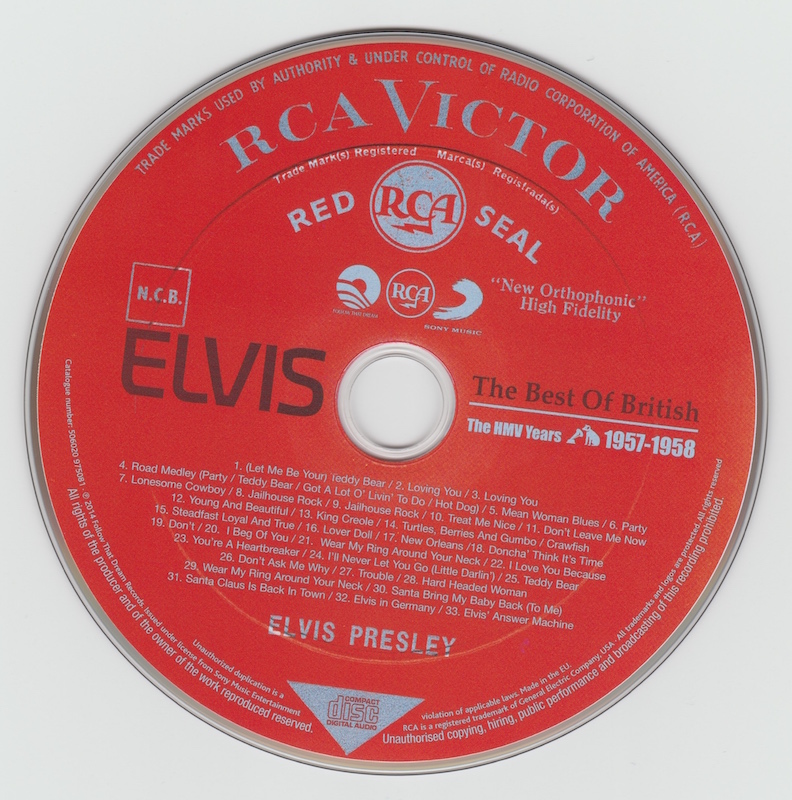
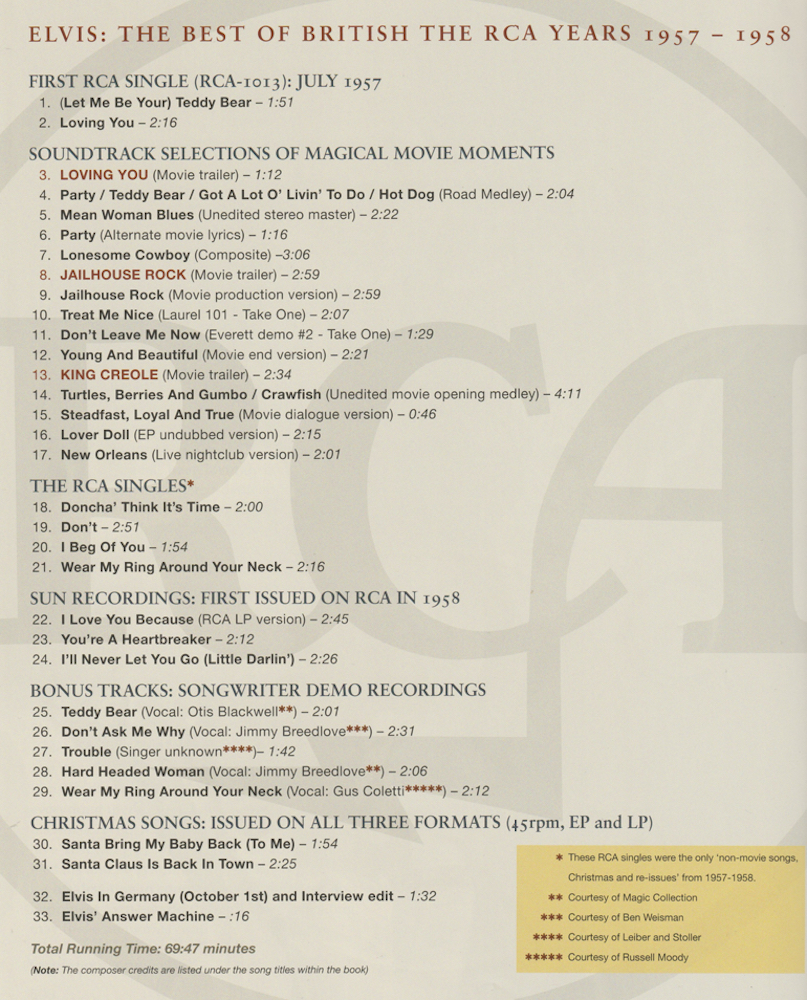
The accompanying CD mirrors some of the music discussed in the book - a selection of RCA masters, material lifted directly from the soundtracks of Loving You, Jailhouse Rock and King Creole, plus spoken-word items and some original, previously released songwriter demos.
Compiled from so many sources the quality obviously varies, but I was still disappointed with the electronic fart heard at 1:03 on the wonderful atmospheric opening of the King Creole movie. And sadly, the final track - all sixteen seconds of what’s listed as being Elvis‘ answer machine message - is actually something that was faked for a dodgy European fan club release of phone calls about a decade ago. It's actually spliced together from ‘The Truth About Me’ outtakes, roughed up to sound like it was recorded over the phone. Apparently, Trevor Simpson, who compiled the disc and was responsible for its contents, took its authenticity at face value. And although the CD design uses the famous Red Seal logo, the incorrect title of “The HMV Years” is a bit sloppy.
But don’t let any of these minor niggles distract from what is, essentially, a great book. Loads to read, loads to look at and it's bloody heavy as well!